



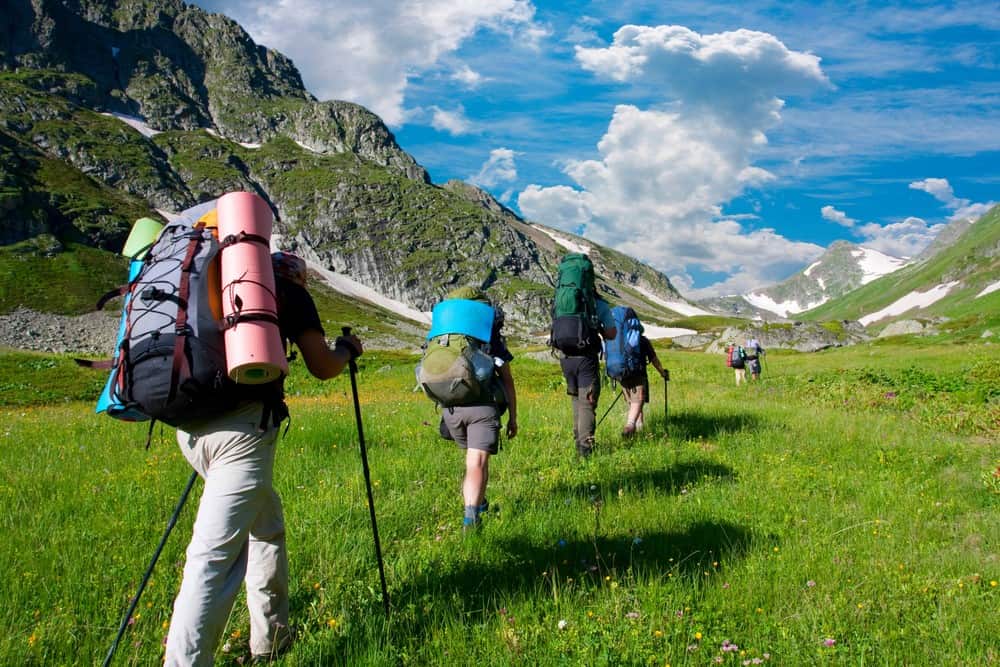
With trails ranging from easy village walks to challenging high-altitude expeditions, trekking in Ladakh offers something for every traveler. Ladakh, often called the “Land of High Passes,” is one of India’s most spectacular trekking destinations. Located in the northernmost region of the country, Ladakh is famous for its stark landscapes, snow-clad peaks, turquoise lakes, and Buddhist monasteries. Trekking here is not just an adventure—it’s a spiritual and cultural journey through rugged terrain and ancient traditions.
This article provides a detailed 1500-word guide to trekking in Ladakh, covering famous treks, seasonal highlights, cultural experiences, travel tips, and sample itineraries.
1. Why Trekking in Ladakh is Special
- Unique Terrain: Cold desert landscapes, high passes, glaciers, and alpine lakes.
- Cultural Immersion: Trails pass through Buddhist monasteries, stupas, and traditional Ladakhi villages.
- Adventure: High-altitude treks above 10,000 ft challenge even seasoned trekkers.
- Spiritual Depth: Many routes overlap with pilgrimage trails and ancient trade paths.
2. Famous Treks in Ladakh
Chadar Trek (Frozen Zanskar River)
- Highlights: Walking on the frozen Zanskar River at 11,000 ft.
- Duration: 8–9 days.
- Best Season: January–February.
- Difficulty: Challenging due to extreme cold.
Markha Valley Trek
- Highlights: Picturesque villages, monasteries, and views of Kang Yatse peak.
- Duration: 7–9 days.
- Best Season: June–September.
- Difficulty: Moderate.
Stok Kangri Trek
- Highlights: Summit at 20,000 ft, panoramic views of the Himalayas and Karakoram.
- Duration: 8–10 days.
- Best Season: July–September.
- Difficulty: Difficult, requires acclimatization.
Sham Valley Trek (Baby Trek)
- Highlights: Easy trek through villages and monasteries.
- Duration: 3–4 days.
- Best Season: May–October.
- Difficulty: Easy, suitable for beginners.
Snow Leopard Trek (Hemis National Park)
- Highlights: Wildlife trek to spot elusive snow leopards.
- Duration: 7–10 days.
- Best Season: November–March.
- Difficulty: Moderate, requires patience and endurance.
Lamayuru to Alchi Trek
- Highlights: Ancient monasteries, lunar landscapes, and cultural immersion.
- Duration: 5–6 days.
- Best Season: June–September.
- Difficulty: Moderate.
Rupshu Valley Trek
- Highlights: Remote trek through nomadic Changpa settlements.
- Duration: 10–12 days.
- Best Season: July–September.
- Difficulty: Difficult, remote terrain.
Tsomoriri Lake Trek
- Highlights: High-altitude lake at 15,000 ft, birdwatching, and nomadic culture.
- Duration: 7–9 days.
- Best Season: June–September.
- Difficulty: Moderate to difficult.
3. Seasonal Guide to Trekking in Ladakh
| Season | Best Regions | Popular Treks | Notes |
| Winter (Dec–Feb) | Zanskar, Hemis | Chadar Trek, Snow Leopard Trek | Extreme cold, frozen rivers |
| Spring (Mar–May) | Sham Valley | Sham Valley Trek | Pleasant weather, blooming landscapes |
| Summer (Jun–Sep) | Leh, Markha, Stok | Markha Valley, Stok Kangri, Tsomoriri | Best trekking season, clear skies |
| Autumn (Sep–Nov) | Remote valleys | Lamayuru–Alchi, Rupshu Valley | Crisp weather, fewer crowds |
4. Cultural Highlights Along Trekking Routes
- Monasteries: Hemis, Lamayuru, Thiksey, and Alchi monasteries enrich treks with spiritual depth.
- Festivals: Hemis Festival, Losar (Tibetan New Year), and local village fairs.
- Cuisine: Momos, thukpa, butter tea, and barley-based dishes.
- Villages: Experience Ladakhi hospitality in Markha, Alchi, and Sham Valley.
5. Essential Tips for Trekking in Ladakh
- Permits: Required for restricted areas like Nubra Valley and Pangong Lake.
- Fitness: Prepare with cardio and strength training; acclimatization is crucial.
- Gear: Trekking shoes, layered clothing, sleeping bags, waterproof gear, and oxygen support for high-altitude treks.
- Guides: Hire local guides for safety and cultural insights.
- Eco-Friendly: Carry reusable bottles, avoid plastic, respect monasteries and local traditions.
6. Risks and Challenges
- Altitude Sickness: Common above 10,000 ft; acclimatization is essential.
- Weather: Sudden changes in the Himalayas can be dangerous.
- Logistics: Remote treks may lack medical facilities.
- Wildlife: Be cautious in Hemis National Park and remote valleys.
7. Sample Itinerary: 9-Day Markha Valley Trek
- Day 1: Arrival in Leh, acclimatization.
- Day 2: Explore Leh monasteries and markets.
- Day 3: Drive to Spituk, trek to Zingchen.
- Day 4: Trek to Ganda La base camp.
- Day 5: Cross Ganda La pass, trek to Skiu village.
- Day 6: Trek to Markha village.
- Day 7: Trek to Hankar, views of Kang Yatse peak.
- Day 8: Trek to Nimaling, high-altitude meadows.
- Day 9: Cross Kongmaru La pass, return to Leh.
8. Sustainable Trekking Practices
- Avoid littering; carry waste back.
- Support local homestays and guides.
- Respect wildlife and avoid noise pollution.
- Participate in conservation initiatives like “Green Trails.”
9. Why Trekking in Ladakh is Special
- Natural Beauty: Stark landscapes, alpine lakes, and snow peaks.
- Adventure: High-altitude treks challenge endurance and skill.
- Cultural Depth: Blend of Tibetan Buddhism and Ladakhi traditions.
- Global Appeal: Attracts trekkers, photographers, and nature lovers worldwide.
Conclusion
Trekking in Ladakh is more than just an adventure—it’s a journey into diverse landscapes, cultures, and spiritual experiences. Whether you’re walking on the frozen Zanskar River, camping in Markha Valley, spotting snow leopards in Hemis, or marveling at Tsomoriri Lake, Ladakh offers treks for every traveler.
For beginners, seasoned trekkers, and cultural explorers alike, Ladakh is not just a destination—it is an experience that connects you to the essence of the Himalayas.
About the Author