


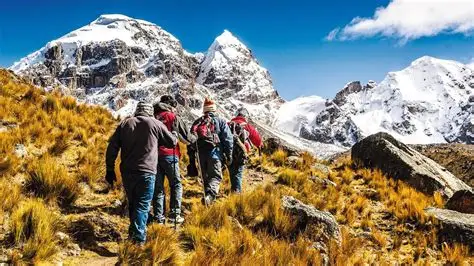
Whether you’re a beginner or a seasoned trekker, trekking in Himachal promises breathtaking landscapes, cultural immersion, and unforgettable adventures. Himachal Pradesh, nestled in the lap of the Himalayas, is one of India’s most celebrated trekking destinations. Known for its snow-clad peaks, alpine meadows, glacial lakes, and charming villages, Himachal offers trails that range from easy weekend hikes to challenging expeditions.
This article provides a detailed 1500-word guide to trekking in Himachal, covering famous treks, seasonal highlights, cultural experiences, travel tips, and sample itineraries.
1. Why Trekking in Himachal is Special
- Diverse Terrain: From lush valleys to high-altitude passes.
- Cultural Immersion: Trails pass through Himachali villages, monasteries, and tribal regions.
- Accessibility: Well-connected to Delhi, Chandigarh, and other major cities.
- Adventure & Leisure: Options for both adrenaline seekers and casual travelers.
2. Famous Treks in Himachal
Triund Trek (McLeodganj)
- Highlights: Beginner-friendly trek with panoramic views of the Dhauladhar range.
- Duration: 1–2 days.
- Best Season: March–June, September–November.
Hampta Pass Trek (Manali)
- Highlights: Crosses from lush Kullu Valley to arid Spiti Valley.
- Duration: 5 days.
- Best Season: June–September.
Beas Kund Trek (Manali)
- Highlights: Glacial lake believed to be the source of River Beas.
- Duration: 3–4 days.
- Best Season: May–October.
Bhrigu Lake Trek (Manali)
- Highlights: High-altitude lake at 14,000 ft, meadows, and panoramic views.
- Duration: 3 days.
- Best Season: May–October.
Pin Parvati Pass Trek
- Highlights: Challenging trek connecting Kullu and Spiti valleys.
- Duration: 10–12 days.
- Best Season: July–September.
Kheerganga Trek (Parvati Valley)
- Highlights: Hot springs, meadows, and spiritual significance.
- Duration: 2–3 days.
- Best Season: May–November.
Chandratal Lake Trek (Spiti)
- Highlights: Crescent-shaped lake at 14,000 ft.
- Duration: 7–8 days.
- Best Season: June–September.
Deo Tibba Base Camp Trek
- Highlights: Meadows, waterfalls, and views of Deo Tibba peak.
- Duration: 6 days.
- Best Season: May–October.
Bara Bhangal Trek
- Highlights: One of the toughest treks, connecting Kullu, Kangra, and Chamba valleys.
- Duration: 12–15 days.
- Best Season: June–October.
3. Seasonal Guide to Trekking in Himachal
| Season | Best Regions | Popular Treks | Notes |
| Winter (Dec–Feb) | Dharamshala, Manali | Triund (snow), Prashar Lake | Snow treks, extreme cold |
| Spring (Mar–May) | Kullu, Kangra | Hampta Pass, Beas Kund | Pleasant weather |
| Monsoon (Jun–Sep) | Spiti, Lahaul | Pin Parvati, Chandratal | Lush greenery, risky trails |
| Autumn (Sep–Nov) | Manali, Dharamshala | Triund, Bhrigu Lake | Clear skies, best views |
4. Cultural Highlights Along Trekking Routes
- Villages: Himachali hospitality in Kullu, Kangra, and Spiti.
- Monasteries: Tibetan Buddhist monasteries in Dharamshala and Spiti.
- Cuisine: Siddu, thukpa, and local teas.
- Festivals: Dussehra in Kullu, Losar in Spiti.
5. Essential Tips for Trekking in Himachal
- Permits: Required for restricted areas like Spiti and Pin Parvati.
- Fitness: Prepare with cardio and strength training.
- Gear: Trekking shoes, layered clothing, sleeping bags, waterproof gear.
- Guides: Hire local guides for safety and cultural insights.
- Eco-Friendly: Carry reusable bottles, avoid plastic, respect traditions.
6. Risks and Challenges
- Altitude Sickness: Common above 10,000 ft; acclimatization is essential.
- Weather: Sudden changes in the Himalayas can be dangerous.
- Wildlife: Be cautious in forested treks.
- Logistics: Remote treks may lack medical facilities.
7. Sample Itinerary: 7-Day Hampta Pass Trek
- Day 1: Arrival in Manali, drive to Jobra, trek to Chika.
- Day 2: Trek to Balu Ka Ghera.
- Day 3: Trek to Hampta Pass, descend to Shea Goru.
- Day 4: Trek to Chatru, drive to Chandratal Lake.
- Day 5: Explore Chandratal, return to Chatru.
- Day 6: Drive back to Manali.
- Day 7: Departure.
8. Sustainable Trekking Practices
- Avoid littering; carry waste back.
- Support local homestays and guides.
- Respect wildlife and avoid noise pollution.
- Participate in initiatives like “Green Trails” by trekking organizations.
9. Why Trekking in Himachal is Special
- Natural Beauty: Snow peaks, meadows, lakes, and valleys.
- Adventure: Options from easy hikes to extreme expeditions.
- Cultural Depth: Blend of Himachali and Tibetan traditions.
- Global Appeal: Attracts trekkers, photographers, and nature lovers worldwide.
Conclusion
Trekking in Himachal is more than just an adventure—it’s a journey into diverse landscapes, cultures, and spiritual experiences. Whether you’re camping at Triund, crossing Hampta Pass, soaking in Kheerganga’s hot springs, or marveling at Chandratal Lake, Himachal offers treks for every traveler.
For beginners, seasoned trekkers, and cultural explorers alike, Himachal Pradesh is not just a destination—it is an experience that connects you to the essence of the Himalayas.
About the Author