


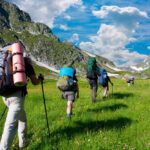
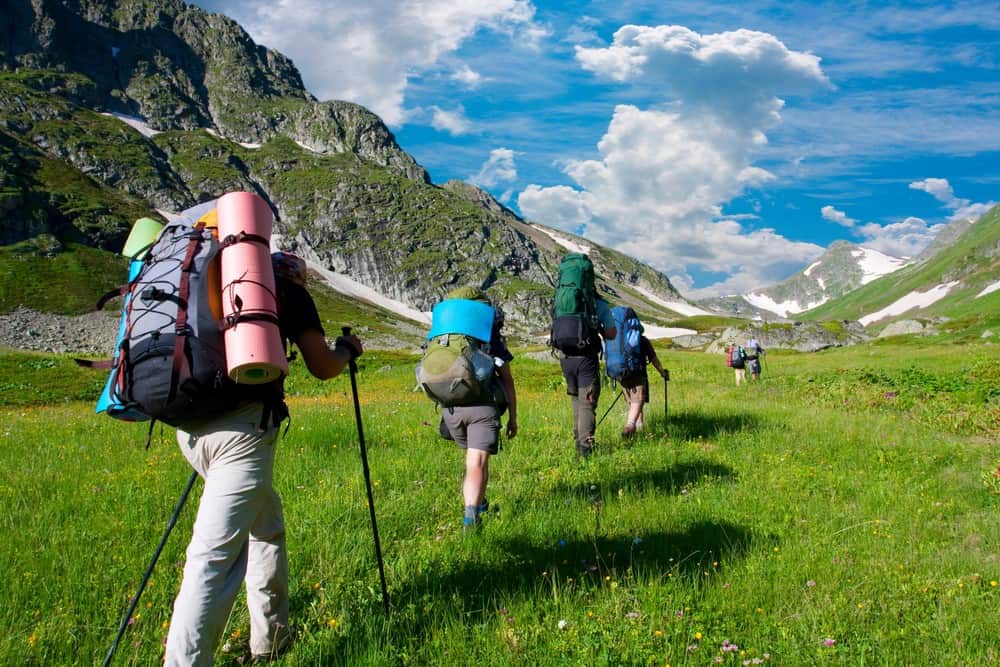
A trekking expedition is more than just a journey through mountains and forests—it is a transformative experience that combines adventure, endurance, and self-discovery. Whether you are exploring the Himalayas, the Alps, or the Andes, a trekking expedition offers breathtaking landscapes, cultural immersion, and physical challenges that leave lasting memories.
Why Choose a Trekking Expedition?
- Adventure: Explore remote trails, glaciers, and valleys.
- Fitness: Builds stamina, strength, and resilience.
- Culture: Interact with local communities and traditions.
- Nature: Witness diverse flora, fauna, and ecosystems.
- Self-Discovery: Overcome challenges and connect with yourself.
Types of Trekking Expeditions
1. Short Treks (2–5 Days)
- Ideal for beginners.
- Examples: Triund Trek (India), Inca Trail (Peru).
- Focus on scenic beauty and moderate difficulty.
2. Moderate Treks (5–10 Days)
- Suitable for intermediate trekkers.
- Examples: Annapurna Base Camp (Nepal), Everest Panorama Trek.
- Involves higher altitudes and varied terrain.
3. Long Expeditions (10+ Days)
- For experienced trekkers.
- Examples: Everest Base Camp, Kilimanjaro Summit, Manaslu Circuit.
- Demands endurance, acclimatization, and preparation.
Essential Destinations for Trekking Expeditions
1. Himalayas (India & Nepal)
- Everest Base Camp, Annapurna Circuit, Roopkund Trek.
- High-altitude challenges with stunning views.
2. Alps (Europe)
- Tour du Mont Blanc, Dolomites Trek.
- Blend of alpine meadows, glaciers, and cultural villages.
3. Andes (South America)
- Inca Trail to Machu Picchu, Patagonia treks.
- Rich history and dramatic landscapes.
4. African Highlands
- Mount Kilimanjaro, Rwenzori Mountains.
- Unique flora and fauna with volcanic terrain.
5. Other Global Trails
- Appalachian Trail (USA), Great Wall Trek (China).
- Diverse experiences across continents.
Preparation for a Trekking Expedition
Physical Fitness
- Cardio exercises: running, cycling, swimming.
- Strength training: squats, lunges, core workouts.
- Practice hikes with loaded backpacks.
Gear Checklist
- Trekking boots, layered clothing, waterproof jackets.
- Sleeping bags, tents (for camping expeditions).
- Trekking poles, headlamps, hydration packs.
Safety Essentials
- First-aid kit, altitude sickness medication.
- Maps, GPS, and emergency contacts.
- Travel insurance covering trekking activities.
Challenges Faced During Trekking Expeditions
- Altitude Sickness: Headaches, nausea, fatigue.
- Weather Extremes: Sudden snow, rain, or storms.
- Physical Strain: Long hours of walking, steep climbs.
- Isolation: Remote areas with limited facilities.
- Wildlife Encounters: Need for caution and awareness.
Cultural Experiences During Trekking Expeditions
- Village Homestays: Learn local traditions and cuisines.
- Festivals: Witness unique cultural celebrations.
- Spiritual Sites: Monasteries, temples, and shrines along trails.
- Handicrafts: Local souvenirs like woolens, carvings, and jewelry.
Environmental Responsibility
- Leave No Trace: Carry back all waste.
- Eco-Friendly Gear: Use reusable bottles and biodegradable items.
- Support Local Communities: Hire local guides and porters.
- Wildlife Respect: Observe animals without disturbing them.
Sample Itinerary – 10-Day Trekking Expedition (Everest Base Camp Example)
Day 1: Arrival in Kathmandu, preparation.
Day 2: Flight to Lukla, trek to Phakding.
Day 3: Trek to Namche Bazaar.
Day 4: Acclimatization day at Namche.
Day 5: Trek to Tengboche Monastery.
Day 6: Trek to Dingboche.
Day 7: Acclimatization and short hikes.
Day 8: Trek to Lobuche.
Day 9: Trek to Gorakshep, visit Everest Base Camp.
Day 10: Return trek begins.
Best Time for Trekking Expeditions
- Spring (March–May): Blooming flowers, moderate weather.
- Autumn (September–November): Clear skies, best mountain views.
- Winter (December–February): Snow treks, but extreme cold.
- Monsoon (June–August): Avoid due to landslides and heavy rains.
Travel Tips
- Permits: Ensure trekking permits are obtained.
- Guides: Hire experienced guides for safety.
- Budgeting: Plan for accommodation, food, and gear rentals.
- Acclimatization: Take rest days to avoid altitude sickness.
- Local Cuisine: Try regional dishes like dal bhat (Nepal) or yak butter tea (Tibet).
Why Trekking Expeditions Are Popular
- Adventure: Thrill of conquering trails and peaks.
- Culture: Blend of nature and human traditions.
- Self-Discovery: Overcoming challenges builds confidence.
- Global Appeal: Treks available across continents.
Conclusion
A trekking expedition is not just about reaching a destination—it is about the journey, the challenges, and the stories you collect along the way. From the Himalayas to the Andes, from short treks to long expeditions, every trail offers a unique adventure. Choosing a trekking expedition ensures a well-planned, enriching, and unforgettable experience that blends adventure, culture, and self-discovery.
Whether you are a beginner or an experienced trekker, the world’s trails await you with open arms and endless horizons.
About the Author