


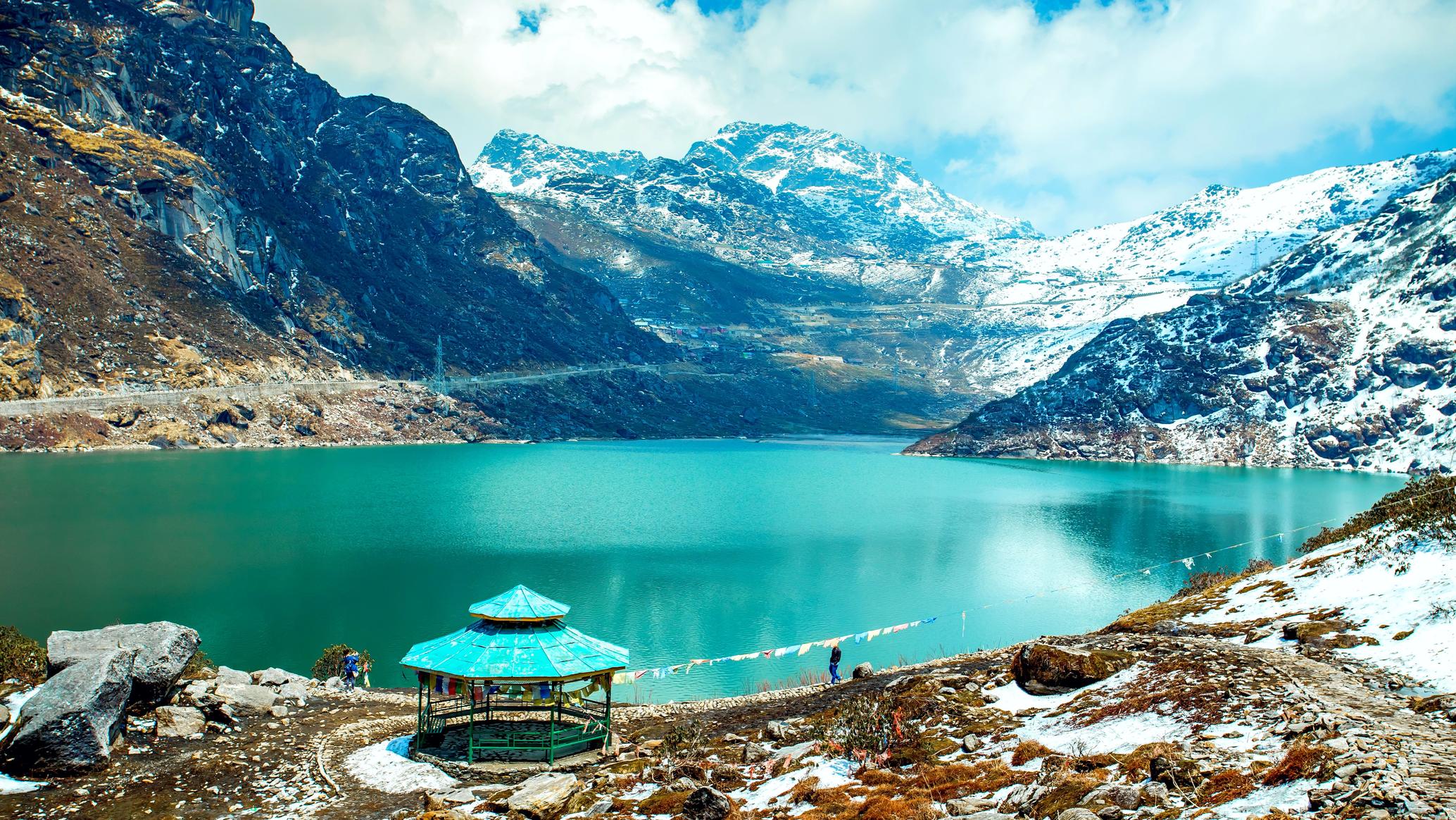
Nestled in the lap of the Eastern Himalayas, Sikkim is one of India’s most serene and spectacular travel destinations. Exploring Sikkim Tourism means immersing yourself in a land of contrasts—majestic mountains alongside lush valleys, ancient monasteries amidst bustling towns, and thrilling adventures balanced with spiritual calm. Known for its snow-capped peaks, alpine lakes, Buddhist monasteries, and vibrant local culture, Sikkim offers a magical blend of natural beauty and spiritual charm that appeals to every kind of traveler 1 2. With eco-friendly tourism practices, organic farms, and peaceful towns, the state has also earned a reputation as one of India’s most sustainable travel destinations 1 3.
🌍 Introduction to Sikkim Tourism
- Location: Northeastern India, bordered by Nepal, Bhutan, and Tibet.
- Altitude: Ranges from subtropical valleys to alpine peaks above 28,000 ft.
- Unique appeal: Home to Kangchenjunga, the world’s third-highest mountain.
- Cultural richness: Blend of Lepcha, Bhutia, and Nepalese traditions.
- Accessibility: Connected via Bagdogra Airport and New Jalpaiguri railway station.
🏞️ Top Tourist Places in Sikkim
Gangtok
- Capital city offering MG Road, Rumtek Monastery, and Namgyal Institute of Tibetology.
- A hub for shopping, dining, and cultural experiences.
Tsomgo Lake
- A glacial lake located at 12,310 ft.
- Famous for yak rides and seasonal flowers.
Nathula Pass
- Historic trade route connecting India and Tibet.
- Offers panoramic views of snow-clad mountains.
Yumthang Valley
- Known as the “Valley of Flowers.”
- Famous for rhododendron blooms in spring.
Pelling
- Offers views of Kangchenjunga.
- Attractions include Pemayangtse Monastery and Rabdentse Ruins.
Lachung & Lachen
- Gateway to Gurudongmar Lake and Yumthang Valley.
- Known for alpine beauty and monasteries.
Namchi
- Famous for Siddheswar Dham (Char Dham) and Samdruptse Hill.
Ravangla
- Home to Buddha Park with a 130-foot statue of Lord Buddha.
🌱 Adventure Activities in Sikkim
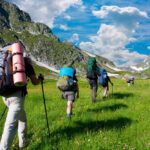
- Trekking: Goecha La, Dzongri, and Kanchenjunga Base Camp.
- River Rafting: Teesta and Rangit rivers.
- Paragliding: Gangtok and Bulbuley Dara.
- Mountain Biking: Trails across rugged Himalayan terrain.
- Wildlife spotting: Red pandas, snow leopards, and Himalayan birds.
🎉 Cultural Experiences
- Festivals: Losar (Tibetan New Year), Saga Dawa, and Pang Lhabsol.
- Cuisine: Momos, thukpa, fermented foods, and butter tea.
- Handicrafts: Carpets, thangka paintings, and traditional jewelry.
🧭 Travel Tips for Sikkim
- Best time to visit: March–June (spring) and September–November (autumn).
- Permits: Inner Line Permits required for foreign nationals and restricted areas.
- Clothing: Layered warm clothes, sturdy shoes, and rain gear.
- Health: Carry medicines for altitude sickness.
- Connectivity: Internet widely available in towns, limited in remote areas.
🏕️ Challenges in Sikkim Tourism
- Remote access: Long drives from Siliguri and Bagdogra.
- Weather extremes: Heavy snowfall and landslides can disrupt travel.
- Infrastructure gaps: Limited facilities in high-altitude areas.
- Environmental concerns: Need for sustainable tourism to protect fragile ecosystems.
🌟 Future of Sikkim Tourism
- Eco-tourism initiatives: Focus on organic farming and conservation.
- Adventure tourism growth: Trekking and rafting gaining popularity.
- Digital tourism: Online permits and booking systems.
- Community involvement: Local villagers benefiting from homestays and handicrafts.
✨ Conclusion
Sikkim Tourism is more than just sightseeing—it’s an experience of nature, culture, and spirituality at its purest. From the shimmering waters of Tsomgo Lake to the spiritual calm of Rumtek Monastery, from the thrill of trekking in Goecha La to the serenity of Yumthang Valley, Sikkim offers a holistic travel experience. Whether you seek adventure, spirituality, or cultural immersion, Sikkim promises unforgettable memories. As tourism continues to grow, Sikkim remains a timeless symbol of Himalayan beauty and sustainability.
About the Author