







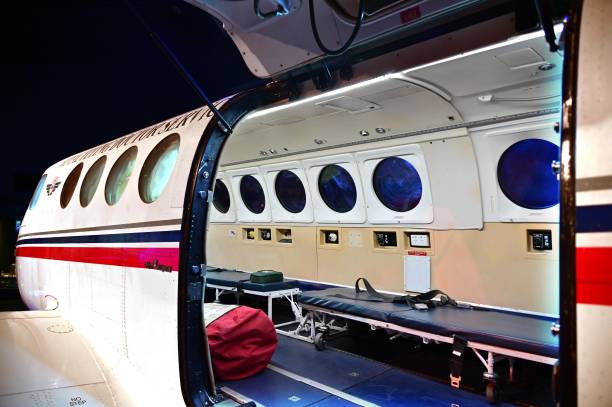
In the world of modern healthcare, the ability to respond swiftly during critical medical situations can mean the difference between life and death. As technology and aviation evolve, air ambulance charter services have emerged as an essential part of global emergency medical systems, providing rapid, reliable, and specialized transportation for patients in need of urgent care. These services bridge the geographical gap between patients and advanced medical facilities, offering the speed, comfort, and precision that traditional ground ambulances often cannot match.
The Evolution of Emergency Air Transport
Medical air transport has transformed significantly over the decades. What began as military operations to rescue and treat soldiers in combat has now become a global network of professional air ambulance providers catering to both domestic and international emergencies. Whether it’s transferring patients from remote areas to major hospitals or evacuating victims from disaster zones, air ambulance charter services ensure that medical attention is never out of reach.
With the rise of private aviation companies investing in specialized aircraft, the air ambulance sector has achieved higher safety standards, quicker response times, and advanced onboard medical care. From helicopters for short-distance transfers to fixed-wing jets for long-haul international evacuations, every aircraft is equipped to handle complex medical conditions mid-flight.
The Life-Saving Power of Air Ambulances
One of the most remarkable aspects of air ambulance charter services is their ability to offer immediate intervention when every second counts. In medical emergencies like cardiac arrests, severe trauma, or organ transplants, quick transportation to a specialized hospital is vital. The Life-Saving Power of Air Ambulances lies in their ability to provide intensive care while airborne.
Modern air ambulances function as flying ICUs, staffed by highly trained doctors, nurses, and paramedics. Advanced life-support equipment such as ventilators, defibrillators, oxygen systems, and patient monitoring tools ensure that medical standards in the air mirror those on the ground. This combination of speed and medical readiness ensures patients receive the best possible chance of survival during critical transfers.
Bridging the Gap Between Distance and Care
Emergencies can occur anywhere, from bustling cities to remote villages or offshore locations. For patients located far from adequate medical infrastructure, air ambulance charter services are indispensable. These flights enable seamless transfer to specialized facilities across borders and continents.
For instance, a patient in a remote mountain village or an island community might need urgent cardiac surgery available only in a metropolitan hospital. With air ambulance charter, that journey can take hours instead of days, making the difference between life and death. The same applies to international travelers or expatriates facing medical crises abroad—air ambulances facilitate swift repatriation or medical evacuation to their home country for continued treatment.
Private Aviation Meets Healthcare
The intersection of Private Aviation and healthcare has unlocked new standards of efficiency and compassion. Private aviation companies have adapted luxury and corporate aircraft into medically equipped air ambulances, balancing comfort with critical care. This ensures that patients not only receive medical attention but also travel in a stress-minimized and dignified environment.
Private operators are investing in advanced communication systems, allowing medical teams to coordinate directly with destination hospitals before arrival. This streamlined communication guarantees continuity of care from takeoff to touchdown. Additionally, private aviation’s flexibility allows air ambulances to operate outside regular flight schedules, providing 24/7 global coverage.
Technology’s Role in Enhancing Medical Air Charters
Technology has become a cornerstone of air ambulance charter operations. Modern aircraft are equipped with GPS navigation systems, real-time medical monitoring, and telemedicine capabilities that allow doctors on the ground to consult in-flight teams during emergencies. These innovations make it possible to manage complex cases, such as neonatal transport, organ delivery, or trauma response, with unprecedented precision.
Furthermore, the adoption of digital booking platforms has simplified the process for hospitals and families in distress. With just a few clicks, clients can request an air ambulance, obtain real-time quotes, and coordinate logistics—an efficiency that saves valuable time in emergencies.
The Growing Global Network of Air Ambulance Providers
As awareness and demand for air ambulance charter services grow, numerous providers have entered the market to offer specialized care across the world. Top companies recognized for their excellence in medical aviation include:
- SV Charter – A leading provider of emergency and non-emergency air ambulance services, SV Charter is known for its rapid response, modern fleet, and world-class onboard medical facilities. The company provides both domestic and international patient transfers, ensuring reliable healthcare access wherever needed.
- REVA Air Ambulance – Operating globally, REVA has built a reputation for high safety standards and a network that spans multiple continents.
- AirMed International – Specializing in international evacuations, AirMed offers complete bedside-to-bedside medical support with advanced equipment and experienced medical personnel.
- Global Air Rescue – Known for its long-haul patient transfer services, Global Air Rescue focuses on global connectivity and emergency medical response.
- Jet Rescue Air Ambulance – Operating across Latin America and the U.S., Jet Rescue is known for its quick deployment and multilingual medical teams.
The Future of Air Ambulance Charters
As global healthcare becomes more interconnected, the role of air ambulance charter services is expanding. Future advancements will likely include more eco-friendly aircraft, enhanced telemedicine systems, and AI-assisted flight logistics that optimize routes for speed and safety. The integration of electric vertical takeoff and landing (eVTOL) aircraft could further revolutionize medical evacuations, making access to care even faster in congested urban areas.
The collaboration between governments, healthcare providers, and private aviation companies will continue to strengthen the infrastructure for global emergency response. This synergy is essential to ensure that no patient, regardless of location, is beyond the reach of life-saving medical care.
Conclusion
The emergence of air ambulance charter services marks a transformative shift in how the world responds to medical emergencies. These life-saving flights bridge the gap between distance and care, bringing critically ill patients closer to advanced medical facilities with unmatched speed and professionalism.
By combining medical expertise, aviation technology, and compassionate service, air ambulance charters embody the true spirit of emergency care—swift, reliable, and human-centered. As providers like SV Charter continue to expand their capabilities, the future of emergency medical transport looks more connected, responsive, and effective than ever before.
In moments when time and distance stand between a patient and survival, air ambulance charter services remain humanity’s most vital lifeline in the sky.
About the Author