




From the high-altitude gompas of Ladakh to the lush retreats of Arunachal Pradesh and the historic ruins of Bihar, Buddhist Monasteries in India offer travelers and seekers a profound experience of peace and introspection. India, the birthplace of Buddhism, is home to some of the most revered and visually stunning Buddhist monasteries in the India. These monasteries are not just religious centers—they are living institutions of philosophy, art, and community.
📜 Historical Significance of Buddhist Monasteries
Buddhism originated in India in the 6th century BCE with the enlightenment of Siddhartha Gautama, the Buddha. Over centuries, monasteries became centers of learning, meditation, and cultural exchange. Ancient universities like Nalanda and Vikramshila were monastic institutions that attracted scholars from across Asia. Today, Buddhist monasteries continue to preserve this legacy through rituals, teachings, and community service.
📍 Major Buddhist Monasteries in India
Here’s a curated list of the most iconic and spiritually significant Buddhist monasteries across India:
1. Tawang Monastery, Arunachal Pradesh
- Largest monastery in India, second only to the Potala Palace in Tibet.
- Founded in the 17th century by Merak Lama Lodre Gyatso.
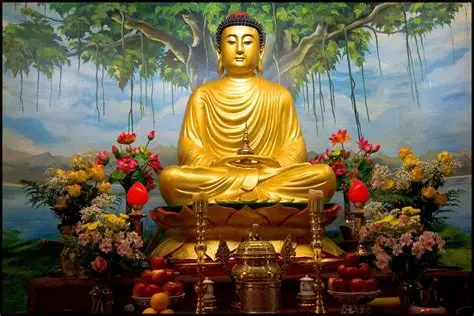
- Houses over 500 monks and a massive gilded statue of Buddha.
- Offers panoramic views of the Tawang Valley and hosts the Torgya Festival.
2. Rumtek Monastery, Sikkim
- Seat of the Karmapa of the Kagyu sect of Tibetan Buddhism.
- Known for its golden stupa and vibrant murals.
- Hosts the annual Losar Festival and sacred rituals.
- A center for Buddhist learning and meditation.
3. Hemis Monastery, Ladakh
- Largest and wealthiest monastery in Ladakh.
- Famous for the Hemis Festival, featuring masked dances and thangka displays.
- Belongs to the Drukpa lineage of Tibetan Buddhism.
- Surrounded by dramatic Himalayan landscapes.
4. Thiksey Monastery, Ladakh
- Architecturally resembles the Potala Palace in Lhasa.
- Houses a 15-meter-high statue of Maitreya Buddha.
- Offers panoramic views of the Indus Valley.
- Known for its morning prayer ceremonies and spiritual ambiance.
5. Namdroling Monastery, Karnataka
- Located in Bylakuppe, one of the largest Tibetan settlements in South India.
- Also known as the Golden Temple.
- Home to over 5,000 monks and nuns.
- Features vibrant murals, golden statues, and peaceful gardens.
6. Mahabodhi Temple Complex, Bodh Gaya, Bihar
- UNESCO World Heritage Site where Buddha attained enlightenment.
- Includes the Bodhi Tree, Vajrasana (Diamond Throne), and meditation gardens.
- Hosts international pilgrims and meditation retreats.
- Central to global Buddhist pilgrimage circuits.
7. Ghoom Monastery, Darjeeling, West Bengal
- Oldest Tibetan Buddhist monastery in Darjeeling.
- Houses a 15-foot statue of Maitreya Buddha.
- Known for its ancient manuscripts and peaceful setting.
- Offers views of Kanchenjunga on clear days.
8. Mindrolling Monastery, Dehradun, Uttarakhand
- One of the six major Nyingma monasteries of Tibetan Buddhism.
- Features a 60-meter-high stupa and a massive statue of Buddha.
- Offers courses in Buddhist philosophy, astronomy, and medicine.
- A spiritual and educational hub in North India.
9. Salugara Monastery, Siliguri, West Bengal
- Founded by Tibetan monks and followers of the Dalai Lama.
- Known for its 100-foot stupa containing five kinds of relics.
- A peaceful retreat near the bustling town of Siliguri.
10. Phugtal Monastery, Zanskar Valley, Ladakh
- Built into a cliffside cave, accessible only by trek.
- One of the most remote and visually dramatic monasteries in India.
- Home to around 70 monks and a center for meditation and study.
🧘 Spiritual Practices and Monastic Life
Buddhist monasteries in India follow various traditions—Theravada, Mahayana, and Vajrayana. Daily life includes:
- Meditation and Chanting: Central to monastic discipline.
- Teaching and Study: Monks study scriptures, philosophy, and languages.
- Rituals and Ceremonies: Including pujas, thangka unveilings, and prayer flag blessings.
- Community Service: Education, healthcare, and cultural preservation.
Visitors are often welcome to observe or participate in meditation sessions and teachings.
🎨 Architecture and Art
Monasteries are architectural marvels, blending Indian and Tibetan styles:
- Stupas: Dome-shaped structures symbolizing enlightenment.
- Thangkas: Intricate scroll paintings depicting deities and mandalas.
- Prayer Wheels and Flags: Representing compassion and blessings.
- Murals and Statues: Depicting scenes from Buddha’s life and teachings.
Each monastery reflects the artistic heritage of its region and sect.
🌿 Eco-Spiritualism and Sustainability
Many Buddhist monasteries in India promote eco-conscious living:
- Organic Farming: Practiced in monastic settlements.
- Solar Energy and Water Conservation: Common in remote monasteries.
- Minimalism and Mindfulness: Integral to monastic philosophy.
- Wildlife Protection: Especially in Himalayan regions.
These practices align with Buddhist values of compassion and interdependence.
🧭 Travel Tips for Visiting Monasteries
- Dress Modestly: Cover shoulders and legs; remove shoes before entering.
- Be Respectful: Maintain silence and avoid interrupting rituals.
- Photography: Ask permission before taking photos.
- Participate Mindfully: Join meditation or teachings with sincerity.
- Support Local Communities: Buy crafts and donate to monastic causes.
📅 Best Time to Visit
- Spring and Autumn (Mar–May, Sep–Nov): Ideal for Himalayan monasteries.
- Winter (Dec–Feb): Best for South Indian monasteries and festivals.
- Festival Seasons: Hemis Festival (July), Losar (Feb–Mar), Buddha Purnima (Apr–May).
Plan ahead for permits in border regions like Arunachal Pradesh and Ladakh.
🌍 Why Buddhist Monasteries in India Are a Must-Experience
Buddhist Monasteries in India are more than places of worship—they are sanctuaries of wisdom, peace, and cultural richness. Whether you’re meditating under the Bodhi Tree, watching masked dances in Ladakh, or listening to chants in Sikkim, these monasteries offer a transformative journey into the heart of Buddhist philosophy.
Come, walk the path of mindfulness and discovery.
About the Author