




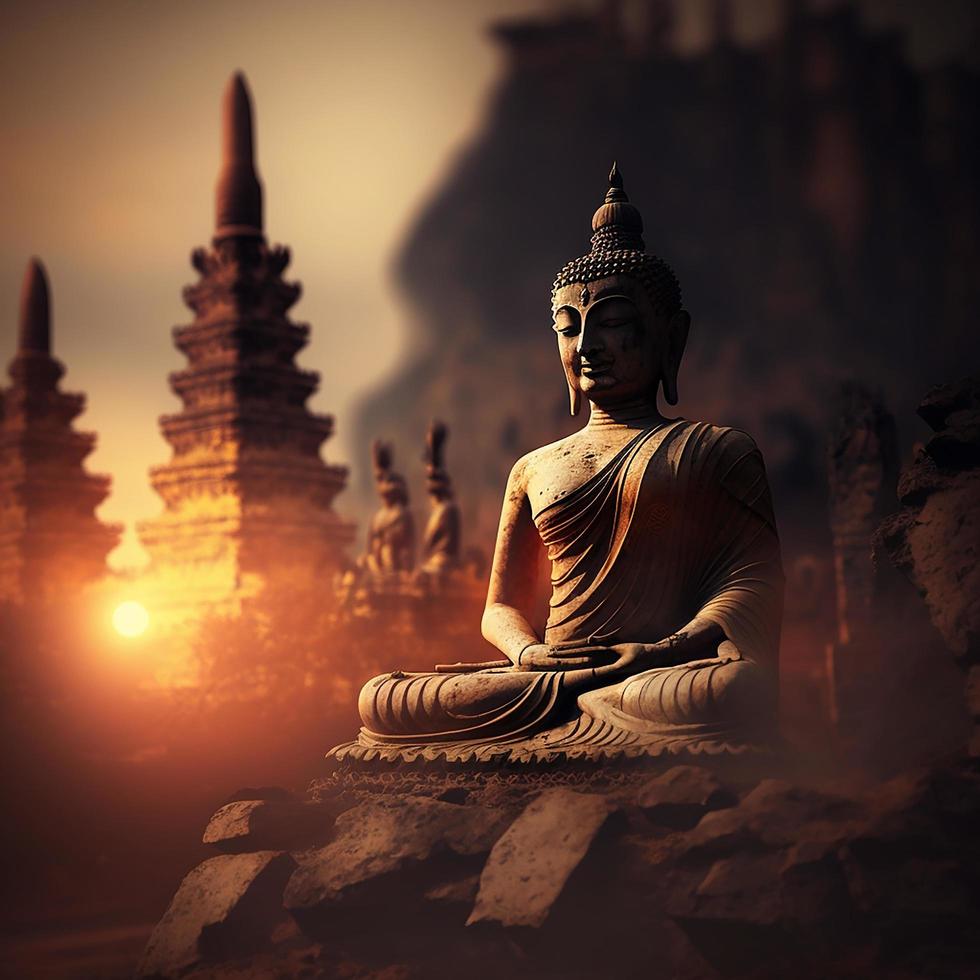
India, the birthplace of Buddhism, hosts a rich tapestry of Buddhist festivals that reflect centuries of spiritual devotion, cultural evolution, and community bonding. Buddhist Festivals in India celebrate the life, teachings, and legacy of Gautama Buddha through vibrant rituals, serene gatherings, and cultural expressions. These festivals are not just religious observances—they are immersive experiences that blend meditation, art, music, and pilgrimage. From the serene chants in Ladakh to the grand processions in Sarnath, Buddhist festivals in India offer travelers and devotees a glimpse into the heart of Buddhist philosophy and heritage.
📜 Historical and Spiritual Context
Buddhism originated in India around the 6th century BCE with the enlightenment of Siddhartha Gautama, who became the Buddha. His teachings spread across Asia, but India remains home to many sacred sites associated with his life—Lumbini (birthplace, now in Nepal), Bodh Gaya (enlightenment), Sarnath (first sermon), and Kushinagar (parinirvana). Buddhist festivals in India often revolve around these sites and commemorate key events in the Buddha’s life.
🌕 Major Buddhist Festivals in India
Here are the most significant Buddhist festivals celebrated across India, each with its own rituals, symbolism, and regional flavor:
1. Buddha Purnima (Vesak)
- When: Full moon day in April or May
- Where: Bodh Gaya, Sarnath, Kushinagar, Ladakh, Dharamshala
- Significance: Celebrates the birth, enlightenment, and death of Gautama Buddha
- Highlights:
- Prayer meetings and sermons in monasteries
- Offerings of flowers, candles, and incense
- Processions with Buddha statues
- Distribution of food and clothes to the needy
- Meditation sessions and chanting of sutras
Buddha Purnima is the most widely celebrated Buddhist festival in India and draws thousands of pilgrims from across the world.
2. Hemis Festival
- When: July (5th lunar month of Tibetan calendar)
- Where: Hemis Monastery, Ladakh
- Significance: Honors Guru Padmasambhava, who introduced Tantric Buddhism to the Himalayas
- Highlights:
- Cham dances (masked dances) performed by monks
- Display of thangka paintings and sacred relics
- Traditional music with cymbals, drums, and horns
- Colorful attire and vibrant market stalls
The Hemis Festival is a spectacular fusion of spirituality and performance art, attracting both devotees and tourists.
3. Losar (Tibetan New Year)
- When: February or March
- Where: Ladakh, Sikkim, Arunachal Pradesh, Dharamshala
- Significance: Marks the beginning of the Tibetan lunar calendar
- Highlights:
- Cleaning homes and monasteries to remove negativity
- Ritual offerings and butter sculptures
- Family feasts and community dances
- Prayers for peace and prosperity
Losar is a time of renewal and joy, deeply rooted in Tibetan Buddhist traditions.
4. Asalha Puja (Dhamma Day)
- When: Full moon day in July
- Where: Sarnath and other Theravada centers
- Significance: Commemorates Buddha’s first sermon at Deer Park in Sarnath
- Highlights:
- Recitation of the Dhammacakkappavattana Sutta
- Offerings to monks and temples
- Meditation and reflection on the Four Noble Truths
This festival emphasizes the core teachings of Buddhism and the beginning of the Sangha (monastic community).
5. Kathina Ceremony
- When: October or November (end of monastic retreat)
- Where: Theravada monasteries in Maharashtra, Bihar, and Uttar Pradesh
- Significance: Celebrates generosity and the end of Vassa (rainy season retreat)
- Highlights:
- Laypeople offer robes and essentials to monks
- Community feasts and merit-making rituals
- Sermons and chanting
Kathina reinforces the bond between lay followers and the monastic community.
6. Ullambana (Ancestor’s Day)
- When: August or September
- Where: Mahayana centers in India
- Significance: Honors ancestors and departed souls
- Highlights:
- Offerings of food and prayers for the deceased
- Rituals to relieve suffering in the spirit world
- Acts of charity and compassion
Ullambana reflects the Buddhist values of filial piety and interdependence.
🏯 Key Celebration Sites in India
Buddhist festivals are celebrated across India, but certain locations hold special significance:
- Bodh Gaya (Bihar): Site of Buddha’s enlightenment; hosts grand celebrations during Buddha Purnima.
- Sarnath (Uttar Pradesh): Where Buddha gave his first sermon; central to Asalha Puja.
- Kushinagar (Uttar Pradesh): Site of Buddha’s parinirvana; important during Buddha Purnima.
- Ladakh: Home to Tibetan Buddhist monasteries; celebrates Hemis and Losar with grandeur.
- Sikkim and Arunachal Pradesh: Rich in Mahayana and Vajrayana traditions; vibrant Losar and Ullambana observances.
- Dharamshala (Himachal Pradesh): Seat of the Dalai Lama; hosts Tibetan festivals and teachings.
🎨 Cultural Expressions
Buddhist festivals in India are rich in cultural artistry:
- Thangka Paintings: Sacred scrolls displayed during festivals
- Butter Sculptures: Intricate offerings made during Losar
- Prayer Flags and Wheels: Symbolize blessings and compassion
- Cham Dances: Ritual dances with masks and costumes
- Monastic Music: Drums, horns, and chants create a meditative ambiance
These elements reflect the aesthetic and spiritual depth of Buddhist traditions.
🍛 Festive Cuisine
Food plays a symbolic role in Buddhist festivals:
- Vegetarian Feasts: Offered to monks and shared with the community
- Butter Tea and Tsampa: Tibetan staples during Losar
- Sweet Offerings: Rice pudding, fruits, and traditional sweets
- Alms Giving: Distribution of food to the poor and needy
Culinary rituals emphasize generosity, simplicity, and gratitude.
🌿 Sustainable and Mindful Celebrations
Buddhist festivals promote values of mindfulness and sustainability:
- Eco-Friendly Offerings: Use of natural materials and biodegradable items
- Minimalism: Focus on inner reflection over material excess
- Community Service: Acts of compassion and charity
- Spiritual Ecology: Respect for nature and all sentient beings
These practices align with the Buddhist path of ethical living and awareness.
🧭 Travel Tips for Festival Visitors
- Plan Ahead: Book accommodations early during major festivals like Buddha Purnima and Hemis.
- Respect Customs: Dress modestly and follow monastic etiquette.
- Participate Mindfully: Join meditation sessions and rituals with sincerity.
- Support Local Artisans: Buy handmade crafts and offerings.
- Stay Informed: Check festival dates as they follow lunar calendars.
🌍 Why Buddhist Festivals in India Are a Must-Experience
Buddhist festivals in India are more than events—they are gateways into a timeless philosophy of peace, compassion, and wisdom. Whether you’re watching masked dances in Ladakh, meditating under the Bodhi Tree, or offering prayers in Sarnath, these festivals offer a profound connection to the teachings of the Buddha and the living heritage of Indian Buddhism.
Come, walk the path of mindfulness and celebration.
About the Author