




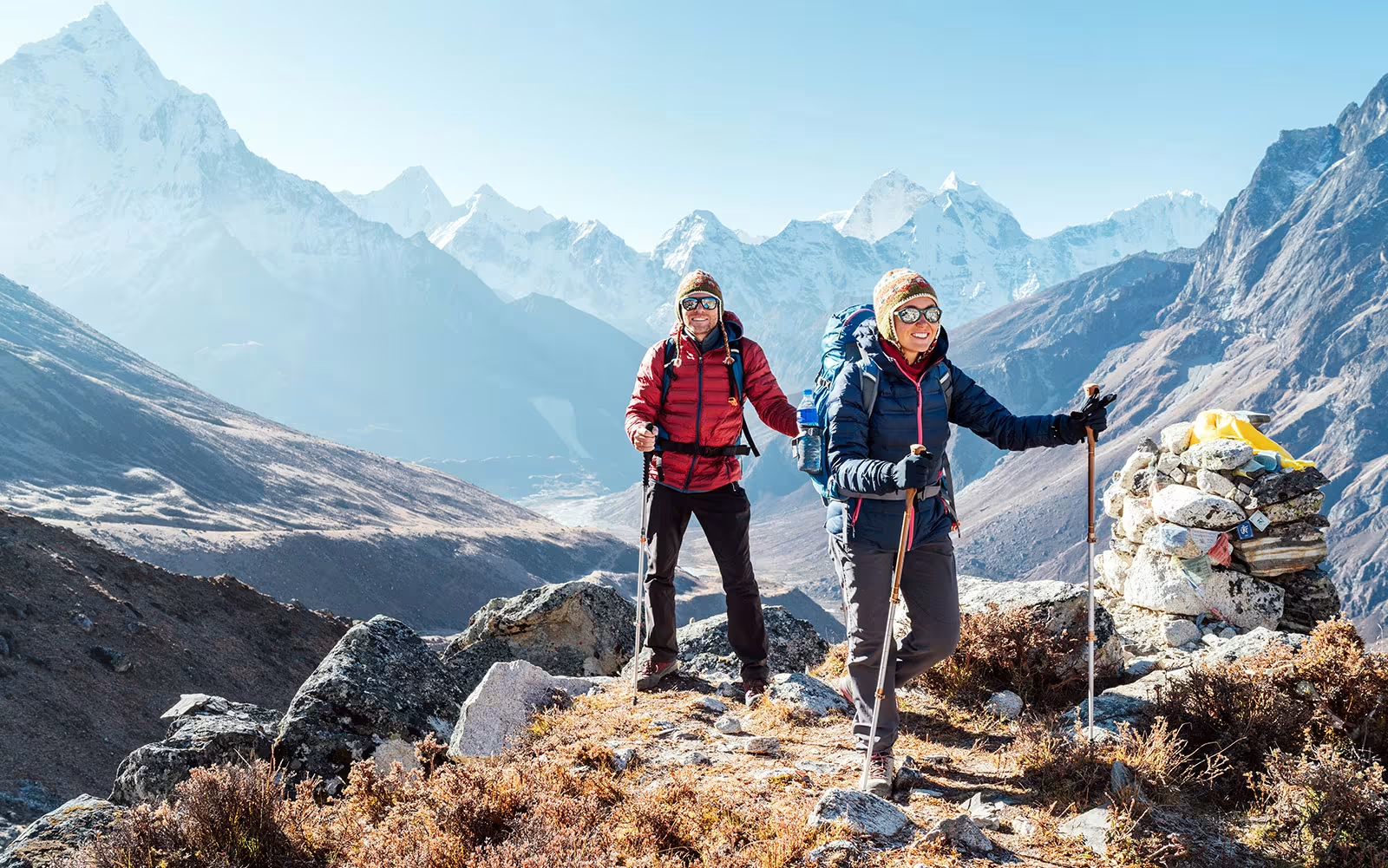
Uttarakhand, often called the “Land of Gods,” is not only famous for its temples and pilgrimages but also for its breathtaking Himalayan landscapes. From beginner-friendly trails to challenging expeditions, trekking in Uttarakhand offers something for everyone. With 86% of its terrain mountainous and nearly 65% forested, the state is a trekker’s paradise.
1. Why Trekking in Uttarakhand is Special
- Diverse Terrain: Snow peaks, alpine meadows, glaciers, and dense forests.
- Cultural Immersion: Trails often pass through Garhwali and Kumaoni villages.
- Spiritual Significance: Many treks overlap with pilgrimage routes like Kedarnath and Hemkund Sahib.
- Accessibility: Well-connected by road and rail to Delhi, Dehradun, and Rishikesh.
2. Famous Treks in Uttarakhand
Valley of Flowers & Hemkund Sahib
- Highlights: UNESCO World Heritage Site, blooming alpine flowers, and sacred Sikh shrine.
- Best Season: July–September.
- Difficulty: Easy to moderate.
Kedarkantha Trek
- Highlights: Snow trek with stunning campsites and Himalayan views.
- Best Season: December–March.
- Difficulty: Beginner-friendly.
Roopkund Trek
- Highlights: Mysterious “Skeleton Lake” surrounded by snow peaks.
- Best Season: May–June, September–October.
- Difficulty: Moderate to difficult.
Har Ki Dun Trek
- Highlights: Valley of Gods, ancient villages, and alpine meadows.
- Best Season: April–June, September–November.
- Difficulty: Moderate.
Kuari Pass Trek
- Highlights: Panoramic views of Nanda Devi and Dronagiri peaks.
- Best Season: March–June, September–November.
- Difficulty: Moderate.
Brahmatal Trek
- Highlights: Frozen lakes and snow-covered ridges.
- Best Season: December–February.
- Difficulty: Moderate.
3. Seasonal Guide to Trekking in Uttarakhand
| Season | Best Regions | Popular Treks | Notes |
| Winter (Dec–Feb) | Garhwal Himalayas | Kedarkantha, Brahmatal | Snow treks, extreme cold |
| Spring (Mar–May) | Garhwal & Kumaon | Kuari Pass, Har Ki Dun | Pleasant weather |
| Monsoon (Jun–Sep) | Chamoli, Rudraprayag | Valley of Flowers, Hemkund Sahib | Lush greenery, slippery trails |
| Autumn (Sep–Nov) | Garhwal Himalayas | Roopkund, Har Ki Dun | Clear skies, best views |
4. Essential Tips for Trekking in Uttarakhand
- Permits: Required for national parks like Valley of Flowers and Nanda Devi.
- Fitness: Prepare with cardio and strength training.
- Gear: Trekking shoes, layered clothing, sleeping bags, and waterproof gear.
- Guides: Hire local guides for safety and cultural insights.
- Eco-Friendly: Carry reusable bottles, avoid plastic, and respect local traditions.
5. Risks and Challenges
- Altitude Sickness: Common above 10,000 ft; acclimatization is essential.
- Weather: Sudden changes in the Himalayas can be dangerous.
- Wildlife: Be cautious in forested treks.
- Logistics: Remote treks may lack medical facilities.
6. Sample Itinerary: 7-Day Kuari Pass Trek
- Day 1: Arrival in Joshimath.
- Day 2: Drive to Dhak village, trek to Gulling.
- Day 3: Trek to Khullara campsite.
- Day 4: Summit Kuari Pass, return to Khullara.
- Day 5: Trek to Tali campsite.
- Day 6: Trek to Joshimath via Auli.
- Day 7: Departure.
7. Sustainable Trekking Practices
- Avoid littering; carry waste back.
- Support local homestays and guides.
- Respect wildlife and avoid noise pollution.
- Participate in initiatives like “Green Trails” by Indiahikes.
Conclusion
Trekking in Uttarakhand is a journey into diverse landscapes, cultures, and adventures. Whether you’re walking through the Valley of Flowers, camping in snow-clad Kedarkantha, or exploring the mysterious Roopkund Lake, Uttarakhand offers treks for every traveler. With proper preparation, respect for nature, and a spirit of adventure, trekking in Uttarakhand becomes not just a physical challenge but a soulful experience.
About the Author