



Rajasthan, the largest state in India, is often described as the Land of Kings. Exploring Rajasthan Tourism means immersing yourself in a world of royal grandeur, desert adventures, and timeless traditions. With its majestic forts, opulent palaces, desert landscapes, vibrant festivals, and rich cultural traditions, Rajasthan is one of the most popular tourist destinations in India. The state offers travelers a unique blend of history, heritage, adventure, and hospitality.
🌍 Introduction to Rajasthan Tourism
- Location: Northwestern India, bordered by Pakistan and several Indian states.
- Unique appeal: Famous for desert landscapes, Rajput heritage, and colorful culture.
- Tourism growth: Rajasthan attracts millions of domestic and international tourists annually.
- Accessibility: Well-connected by air, rail, and road, with major airports in Jaipur, Udaipur, and Jodhpur.
🏞️ Top Tourist Places in Rajasthan
Jaipur (The Pink City)
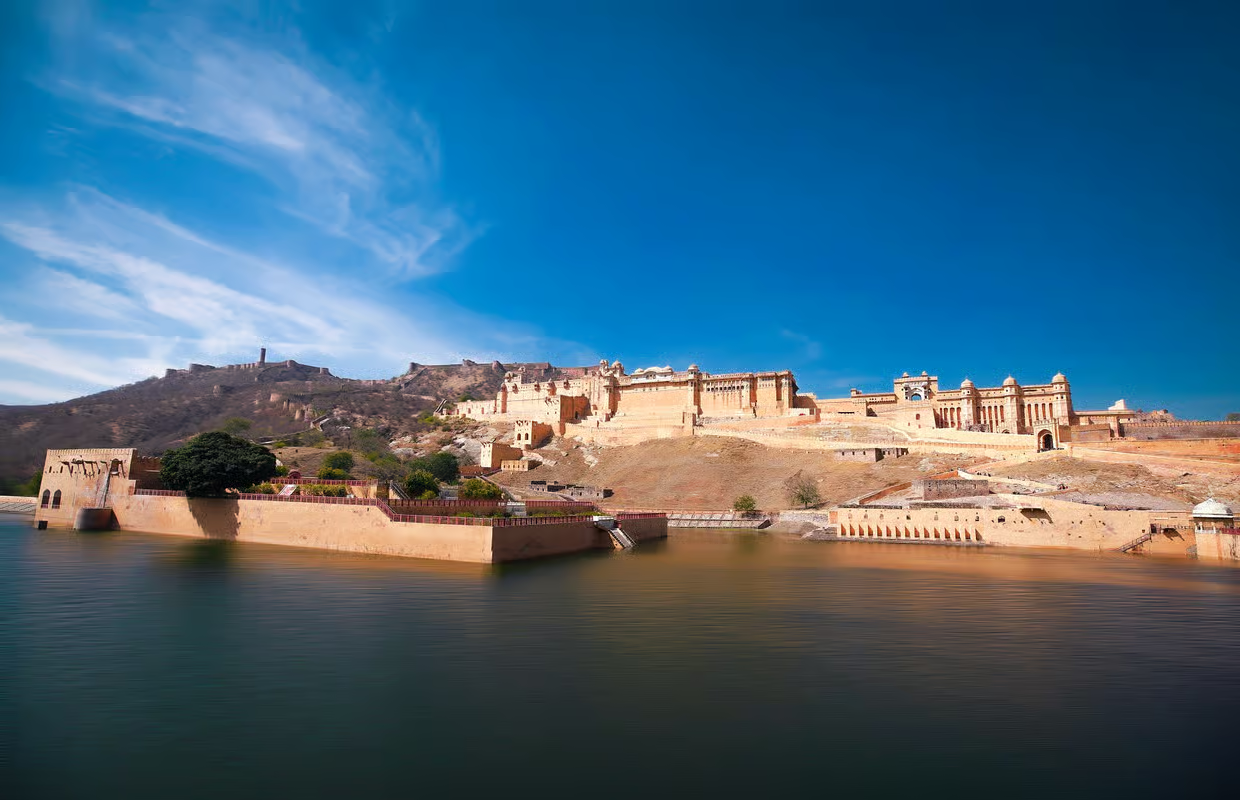
- Capital of Rajasthan and part of the Golden Triangle.
- Attractions: Amber Fort, City Palace, Hawa Mahal, Jantar Mantar.
- Famous for shopping in Johari Bazaar and Bapu Bazaar.
Udaipur (City of Lakes)
- Known for its romantic lakes and palaces.
- Attractions: Lake Pichola, City Palace, Jag Mandir, Saheliyon Ki Bari.
- Popular for boat rides and luxury heritage hotels.
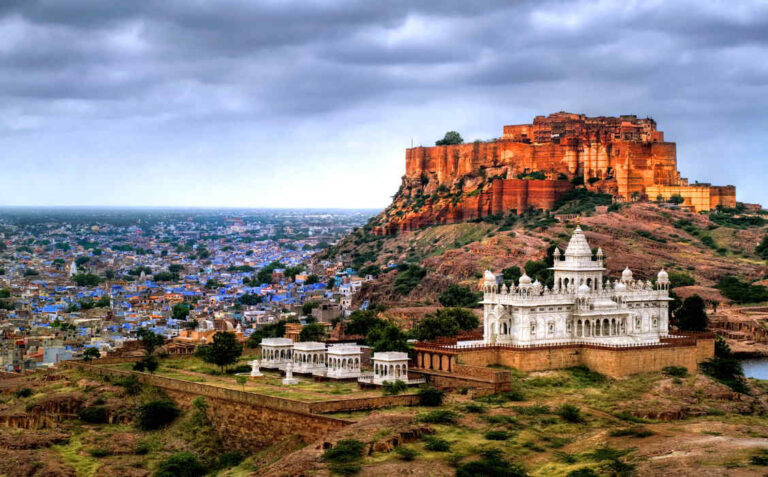
Jodhpur (The Blue City)
- Famous for its blue-painted houses and Mehrangarh Fort.
- Attractions: Umaid Bhawan Palace, Jaswant Thada, Clock Tower Market.
- Gateway to Thar Desert adventures.
Jaisalmer (The Golden City)
- Located in the heart of the Thar Desert.
- Attractions: Jaisalmer Fort, Patwon Ki Haveli, Sam Sand Dunes.
- Famous for desert safaris and camel rides.
Pushkar
- Known for the sacred Pushkar Lake and Brahma Temple.
- Hosts the world-famous Pushkar Camel Fair.
- A spiritual and cultural hub.
Ajmer
- Famous for Ajmer Sharif Dargah, a major pilgrimage site.
- Also known for Ana Sagar Lake and Taragarh Fort.
Mount Abu
- Rajasthan’s only hill station.
- Attractions: Dilwara Jain Temples, Nakki Lake, Sunset Point.
- Offers a cool retreat from desert heat.
Ranthambore National Park
- Famous for tiger safaris.
- Rich in wildlife including leopards, sloth bears, and marsh crocodiles.
Bikaner
- Known for Junagarh Fort, Karni Mata Temple (Rat Temple), and camel safaris.
- Famous for Bikaneri snacks and sweets.
Chittorgarh
- Home to India’s largest fort, Chittorgarh Fort.
- Famous for tales of Rajput valor and sacrifice.
🌱 Adventure and Activities in Rajasthan
- Desert safaris: Camel rides and jeep tours in Jaisalmer and Bikaner.
- Wildlife safaris: Tiger spotting in Ranthambore and Sariska.
- Trekking: Trails in Mount Abu and Aravalli ranges.
- Hot air ballooning: Available in Jaipur and Pushkar.
- Cultural immersion: Folk dances, puppet shows, and village tours.
🎉 Festivals and Events
- Pushkar Camel Fair: A blend of trade, culture, and festivities.
- Desert Festival (Jaisalmer): Celebrates desert culture with music and dance.
- Teej Festival (Jaipur): Celebrated with processions and traditional rituals.
- Gangaur Festival: Dedicated to Goddess Parvati, celebrated across Rajasthan.
- Mewar Festival (Udaipur): Marks the arrival of spring with cultural performances.
🕌 Cultural Experiences
- Cuisine: Dal Baati Churma, Laal Maas, Ghewar, and Ker Sangri.
- Handicrafts: Block printing, blue pottery, and miniature paintings.
- Music and dance: Ghoomar, Kalbeliya, and folk songs.
- Architecture: Blend of Rajput, Mughal, and colonial styles.
🧭 Travel Tips for Rajasthan
- Best time to visit: October–March for pleasant weather.
- Summer visits: April–June can be extremely hot, especially in desert areas.
- Clothing: Light cotton clothes in summer; warm layers for winter nights.
- Stay options: Heritage hotels, havelis, resorts, and budget accommodations.
- Local transport: Auto-rickshaws, taxis, and camel carts in desert towns.
🏕️ Challenges in Rajasthan Tourism
- Overcrowding: Popular sites like Jaipur and Udaipur attract large crowds.
- Heat in summer: Sightseeing can be uncomfortable in peak afternoons.
- Environmental concerns: Managing waste and preserving heritage sites is crucial.
- Infrastructure gaps: Remote areas need better facilities for tourists.
🌟 Future of Rajasthan Tourism
- Eco-tourism initiatives: Sustainable practices in desert and wildlife areas.
- Digital tourism: Online booking systems and virtual tours.
- Luxury expansion: More premium resorts and curated experiences.
- Global outreach: Promoting Rajasthan as a premier cultural destination worldwide.
- Community involvement: Local artisans and villagers benefiting from tourism.
✨ Conclusion
Rajasthan Tourism is more than just travel—it’s a journey into India’s royal past and vibrant present. From the grandeur of Jaipur’s palaces to the serenity of Udaipur’s lakes, from the adventure of Jaisalmer’s deserts to the spirituality of Pushkar, Rajasthan offers a holistic travel experience. Whether you seek heritage, adventure, or cultural immersion, Rajasthan promises unforgettable memories. As the state continues to grow as a global tourism hub, it remains a timeless symbol of India’s royal heritage and hospitality.
About the Author