


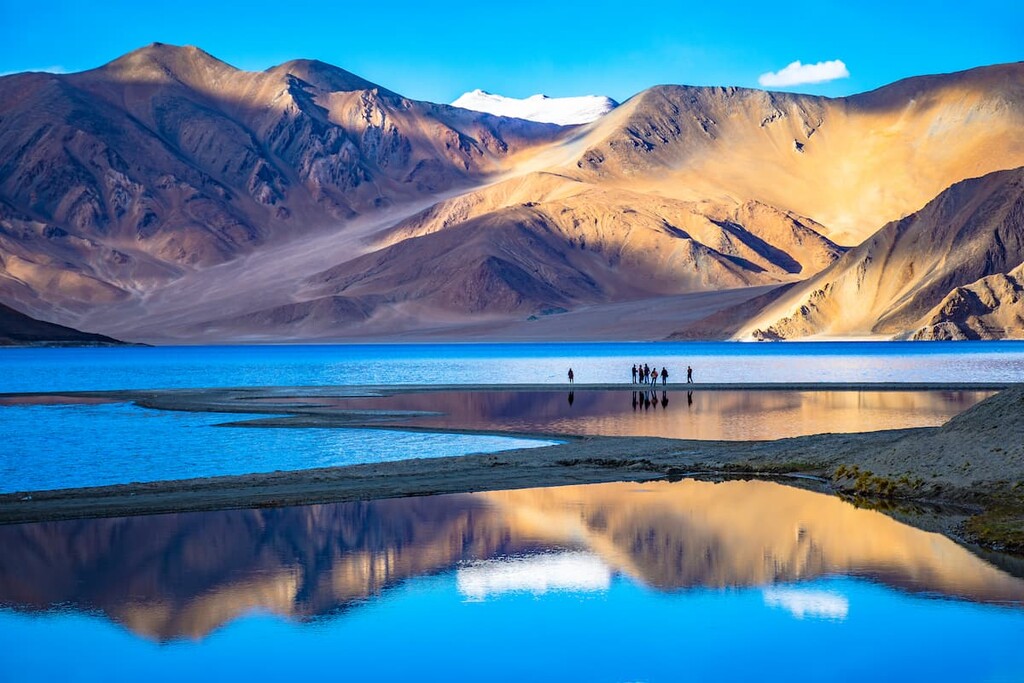
Ladakh, located in northern India between the Karakoram and Himalayan ranges, is one of the most spectacular travel destinations in the world. Exploring Ladakh Tourism means immersing yourself in a land of contrasts—snow-capped peaks alongside barren deserts, vibrant monasteries amidst remote villages, and thrilling adventures balanced with spiritual calm. Often referred to as the world’s coldest desert, Ladakh is famous for its rugged terrain, Buddhist monasteries, pristine lakes, and adventure opportunities. Since being opened to tourists in 1974, Ladakh has become a major contributor to the region’s economy, attracting both domestic and international travelers 2.
🌍 Introduction to Ladakh Tourism
- Location: Union Territory of Ladakh, comprising Leh and Kargil districts.
- Altitude: Average height of 11,400 ft (3,475 m).
- Unique appeal: Famous for Buddhist culture, high-altitude lakes, and adventure tourism.
- Accessibility: Connected via Leh airport, Srinagar-Leh highway, and Manali-Leh highway.
- Permits: Inner Line Permits required for restricted areas like Nubra Valley, Pangong Tso, and Tso Moriri 1.
🏞️ Top Tourist Places in Ladakh
Leh
- Capital of Ladakh and gateway for tourism.
- Attractions: Leh Palace, Shanti Stupa, and bustling bazaars.
Nubra Valley
- Known for sand dunes, Bactrian camels, and Diskit Monastery.
- Accessible via Khardung La, one of the world’s highest motorable passes.
Pangong Lake
- Famous for its changing colors and Bollywood film shoots.
- Stretches across India and Tibet.
Zanskar Valley
- Remote valley offering trekking, river rafting, and monasteries.
- Famous for the frozen Chadar Trek in winter.
Kargil
- Known for its war memorials and scenic beauty.
- Gateway to Suru Valley and Drass.
Tso Moriri Lake
- High-altitude lake surrounded by mountains.
- A paradise for birdwatchers.
Monasteries
- Hemis, Thiksey, and Lamayuru monasteries showcase Buddhist art and rituals.
🌱 Adventure Activities in Ladakh
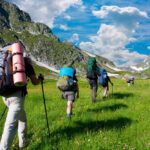
- Trekking: Markha Valley, Stok Kangri, and Chadar Trek.
- River Rafting: Zanskar and Indus rivers.
- Mountain Biking: Routes across Khardung La and Chang La.
- Camping: At Pangong and Nubra Valley.
- Wildlife spotting: Snow leopards, Himalayan ibex, and migratory birds.
🎉 Cultural Experiences
- Festivals: Hemis Festival, Losar (Tibetan New Year), and Ladakh Festival.
- Cuisine: Momos, thukpa, butter tea, and barley-based dishes.
- Handicrafts: Pashmina shawls, carpets, and traditional jewelry.
🧭 Travel Tips for Ladakh
- Best time to visit: May–September for pleasant weather.
- Acclimatization: Spend 1–2 days in Leh before heading to higher altitudes.
- Clothing: Layered warm clothes, sturdy shoes, and sun protection.
- Health: Carry medicines for altitude sickness.
- Connectivity: Limited mobile networks; BSNL and Jio work best.
🏕️ Challenges in Ladakh Tourism
- Extreme climate: Harsh winters and limited accessibility.
- Infrastructure gaps: Remote areas lack facilities.
- Environmental concerns: Need for sustainable tourism to protect fragile ecosystems.
- Permit restrictions: Certain border areas require Inner Line Permits.
🌟 Future of Ladakh Tourism
- Eco-tourism initiatives: Focus on sustainability and conservation.
- Adventure tourism growth: Trekking, biking, and rafting gaining popularity.
- Digital tourism: Online permits and booking systems.
- Community involvement: Local villagers benefiting from homestays and handicrafts.
✨ Conclusion
Ladakh Tourism is more than just sightseeing—it’s an experience of nature, culture, and adventure at its purest. From the shimmering waters of Pangong Lake to the spiritual calm of Hemis Monastery, from the thrill of biking across Khardung La to the serenity of Nubra Valley, Ladakh offers a holistic travel experience. Whether you seek adventure, spirituality, or cultural immersion, Ladakh promises unforgettable memories. As tourism continues to grow, Ladakh remains a timeless symbol of Himalayan beauty and resilience.
About the Author