





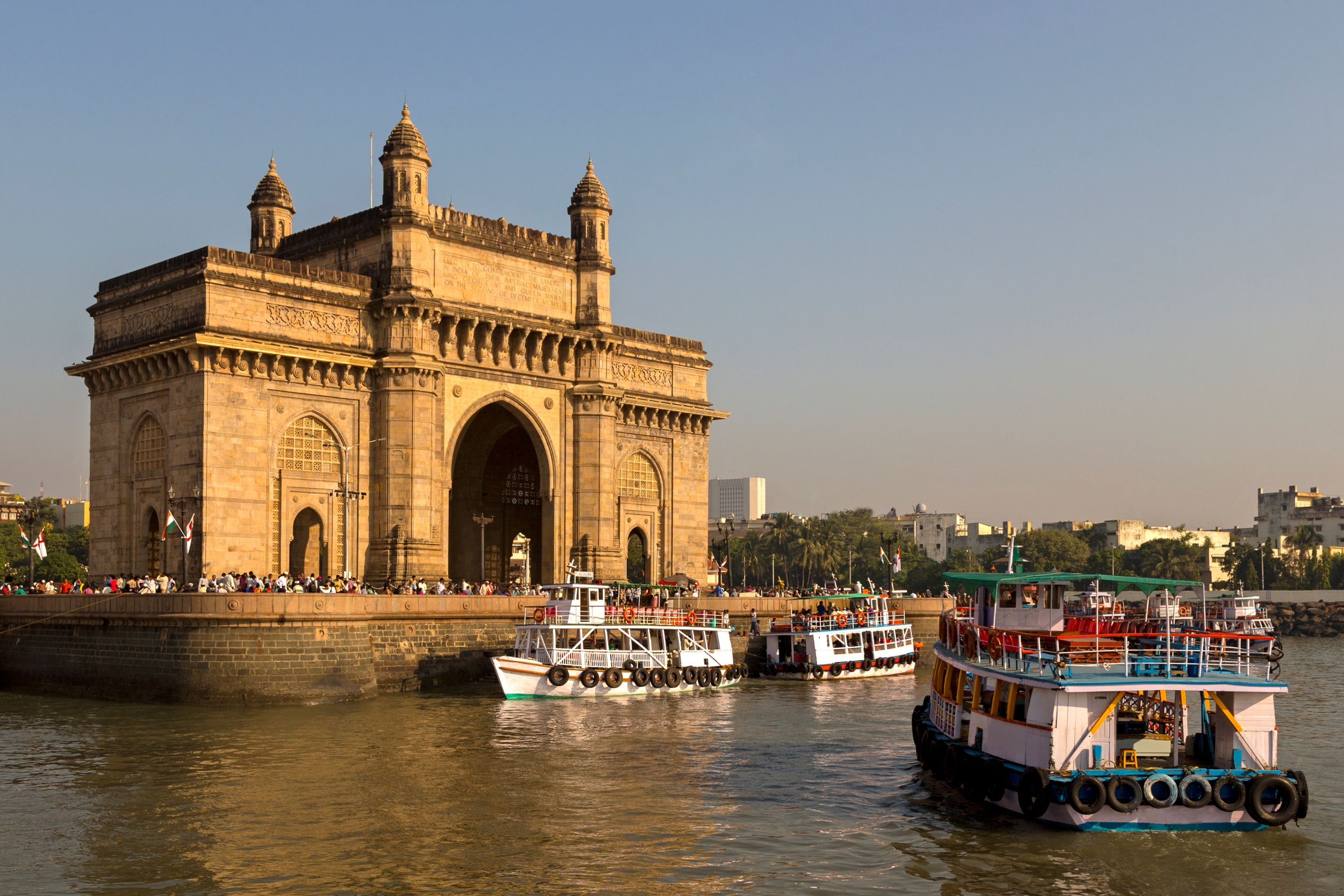
India is a land of diversity, where every region tells a unique story of history, culture, and tradition. Among its many travel circuits, the Golden Triangle India stands out as the most iconic. Covering Delhi, Agra, and Jaipur, this triangular route offers travelers a glimpse into India’s royal heritage, architectural marvels, and vibrant culture. Whether you are a first-time visitor or a seasoned traveler, the Golden Triangle promises unforgettable experiences.
What is the Golden Triangle India?
- The Golden Triangle connects Delhi, Agra, and Jaipur, forming a triangular route on the map.
- It is one of the most sought-after travel itineraries in India.
- Tour packages are curated to cover historical landmarks, cultural experiences, and modern attractions.
- Packages often include accommodation, guided tours, transport, and cultural activities.
Why Choose Golden Triangle India?
- Convenience: Covers three major cities within a short span.
- Diversity: Offers history, culture, architecture, and cuisine.
- Accessibility: Well-connected by road, rail, and air.
- Flexibility: Packages range from 3-day short tours to extended 7–10 day itineraries.
Key Destinations in Golden Triangle India
Delhi – The Capital City
Delhi is the starting point of most Golden Triangle tours.
- Historical Attractions: Red Fort, Qutub Minar, Humayun’s Tomb.
- Modern Landmarks: India Gate, Lotus Temple, Akshardham Temple.
- Cultural Experiences: Chandni Chowk markets, street food, museums.
- Blend of Old and New: Delhi offers Mughal heritage alongside modern urban life.
Agra – The City of Love
Agra is synonymous with the Taj Mahal, one of the Seven Wonders of the World.
- Taj Mahal: Iconic symbol of love, built by Emperor Shah Jahan.
- Agra Fort: UNESCO World Heritage Site showcasing Mughal architecture.
- Fatehpur Sikri: Historic city built by Akbar, located nearby.
- Local Crafts: Famous for marble inlay work and leather goods.
Jaipur – The Pink City
Jaipur, the capital of Rajasthan, completes the Golden Triangle.
- Amber Fort: Majestic fort with intricate architecture.
- City Palace: Blend of Mughal and Rajput styles.
- Hawa Mahal: Iconic palace with honeycomb design.
- Jantar Mantar: Astronomical observatory, UNESCO World Heritage Site.
- Markets: Famous for jewelry, textiles, and handicrafts.
Types of Golden Triangle India Packages
1. Heritage Packages
- Focus on forts, palaces, and historical landmarks.
- Include guided tours of Delhi’s Red Fort, Agra’s Taj Mahal, and Jaipur’s Amber Fort.
- Ideal for history enthusiasts.
2. Luxury Packages
- Stay in heritage hotels and luxury resorts.
- Include private tours, spa experiences, and fine dining.
- Designed for travelers seeking royal comfort.
3. Cultural Packages
- Cover local festivals, folk performances, and cuisine.
- Include shopping tours and cultural workshops.
- Perfect for travelers interested in traditions.
4. Short Weekend Packages
- 3–4 day itineraries covering major highlights.
- Ideal for families and short getaways.
5. Extended Circuit Packages
- Combine Golden Triangle with destinations like Ranthambore, Varanasi, or Udaipur.
- Offer a broader cultural and spiritual journey.
Suggested Itineraries
5-Day Classic Golden Triangle Tour
- Day 1: Arrival in Delhi, visit Red Fort and Qutub Minar.
- Day 2: Explore Humayun’s Tomb, India Gate, and Chandni Chowk.
- Day 3: Travel to Agra, visit Taj Mahal and Agra Fort.
- Day 4: Travel to Jaipur, visit Amber Fort and City Palace.
- Day 5: Explore Hawa Mahal, Jantar Mantar, and local markets.
7-Day Extended Tour
- Day 1–2: Delhi sightseeing.
- Day 3–4: Agra and Fatehpur Sikri.
- Day 5–6: Jaipur forts and palaces.
- Day 7: Optional excursion to Ranthambore for wildlife safari.
Cultural Experiences in Golden Triangle India
- Delhi: Street food tours, classical music concerts, museum visits.
- Agra: Mughal cuisine, marble craft workshops.
- Jaipur: Folk dances, puppet shows, traditional Rajasthani meals.
Cuisine Highlights
Food is an integral part of the Golden Triangle journey.
- Delhi: Chaat, kebabs, butter chicken.
- Agra: Mughlai dishes, petha (sweet).
- Jaipur: Dal Baati Churma, Laal Maas, Ghewar.
Accommodation Options
- Heritage hotels in forts and palaces.
- Luxury resorts with modern amenities.
- Budget hotels and guesthouses.
- Boutique stays offering cultural immersion.
Best Time to Visit Golden Triangle India
- Winter (October to March): Pleasant weather, ideal for sightseeing.
- Summer (April to June): Hot, but fewer crowds.
- Monsoon (July to September): Lush landscapes, budget-friendly travel.
Travel Tips
- Carry light woolens in winter and cottons in summer.
- Book packages early during peak season.
- Respect local customs and traditions.
- Participate in cultural programs for deeper immersion.
Sustainable Tourism
- Promotion of eco-friendly practices.
- Conservation of heritage sites.
- Encouraging rural tourism and homestays.
- Focus on responsible travel and community development.
Why Golden Triangle India is Popular
- Covers India’s most iconic landmarks.
- Offers a mix of history, culture, and modernity.
- Accessible and flexible for all types of travelers.
- Provides unforgettable experiences in a short span.
Conclusion
Golden Triangle India is more than just a travel circuit—it is a journey into the heart of India’s heritage, culture, and traditions. Whether you seek the grandeur of Delhi, the romance of Agra, or the royal charm of Jaipur, the Golden Triangle offers unforgettable experiences. Its ability to blend history with modern tourism makes it timeless and meaningful. For travelers, the Golden Triangle is not just a circuit; it is an experience that rejuvenates the soul and stays with them forever.
About the Author