





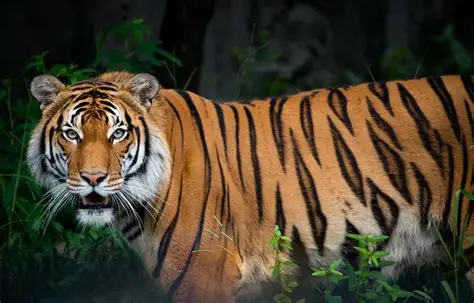
From the tiger-laden forests of Ranthambore to the birding haven of Bharatpur and the leopard-rich granite hills of Jawai, Rajasthan’s wild side is as majestic as its royal past. Rajasthan Wildlife Tourism is a thrilling journey into the untamed heart of India’s most regal state. While Rajasthan is globally celebrated for its palaces, forts, and festivals, its wildlife sanctuaries and national parks offer an equally compelling narrative—one of survival, biodiversity, and raw natural beauty.
🐅 Why Explore Wildlife Tourism in Rajasthan?
- Diverse Ecosystems: From dry deciduous forests and wetlands to desert scrub and rocky hills.
- Flagship Species: Bengal tigers, leopards, blackbucks, desert foxes, hyenas, and over 400 bird species.
- Cultural Backdrop: Many reserves are set against ancient forts, temples, and tribal villages.
- Eco-Tourism Growth: Community-run lodges, conservation safaris, and sustainable travel models are thriving.
- Accessibility: Well-connected by road, rail, and air from Jaipur, Udaipur, Jodhpur, and Delhi.
🏞️ Top Wildlife Destinations in Rajasthan
1. Ranthambore National Park – The Tiger’s Kingdom
- Location: Sawai Madhopur
- Best Time: October to June
- Highlights:
- Bengal tigers in open grasslands and ruins
- Ranthambore Fort (UNESCO World Heritage Site)
- Safari zones with lakes, cliffs, and dense forest
- Experience: Jeep/canter safaris, heritage walks, and wildlife photography
2. Sariska Tiger Reserve – The Aravalli Wilderness
- Location: Alwar
- Best Time: October to March
- Highlights:
- Tigers, leopards, hyenas, and nilgai
- Kankwari Fort and Pandupol Temple inside the reserve
- Proximity to Delhi and Jaipur
- Experience: Safari drives, temple visits, and eco-lodges
3. Keoladeo National Park (Bharatpur) – Birdwatcher’s Paradise
- Location: Bharatpur
- Best Time: November to February
- Highlights:
- UNESCO World Heritage Site
- Over 370 bird species including Siberian cranes, pelicans, and painted storks
- Man-made wetland with cycling and walking trails
- Experience: Guided birding tours, cycle rickshaw safaris, and photography workshops
4. Desert National Park – The Thar’s Wild Side
- Location: Jaisalmer
- Best Time: October to March
- Highlights:
- Great Indian bustard, desert fox, chinkara, and monitor lizards
- Sand dunes, salt lake bottoms, and rocky outcrops
- Experience: Camel safaris, birdwatching, and desert ecology tours
5. Jawai Leopard Conservation Reserve – The Leopard’s Domain
- Location: Pali district
- Best Time: October to April
- Highlights:
- High density of leopards in granite hills
- Coexistence with Rabari shepherd communities
- Luxury tented camps and guided treks
- Experience: Leopard safaris, village walks, and stargazing
🐾 Lesser-Known Wildlife Sanctuaries Worth Exploring
| Sanctuary | Location | Key Species | Unique Feature |
| Mount Abu Wildlife Sanctuary | Sirohi | Sloth bears, langurs, orchids | Rajasthan’s only hill station |
| Kumbhalgarh Wildlife Sanctuary | Rajsamand | Wolves, leopards, hyenas | Near Kumbhalgarh Fort |
| Tal Chhapar Sanctuary | Churu | Blackbucks, harriers | Open grassland ecosystem |
| Gajner Wildlife Sanctuary | Bikaner | Wild boar, nilgai, migratory birds | Close to Gajner Palace |
🗓️ Suggested 7-Day Wildlife Itinerary
Day 1: Arrival in Jaipur → Drive to Ranthambore
- Evening safari and overnight stay
Day 2: Morning safari → Visit Ranthambore Fort
- Drive to Bharatpur in the afternoon
Day 3: Birding tour in Keoladeo National Park
- Cycle rickshaw safari and photography session
Day 4: Drive to Sariska → Evening safari
- Overnight in eco-lodge
Day 5: Morning safari → Drive to Jawai
- Sunset leopard safari
Day 6: Morning trek → Village walk
- Drive to Jodhpur or Udaipur
Day 7: Departure or optional visit to Kumbhalgarh Sanctuary
🏨 Accommodation Options
| Destination | Luxury | Mid-Range | Budget |
| Ranthambore | Oberoi Vanyavilas, Aman-i-Khas | Nahargarh, Tiger Den | RTDC Vinayak |
| Sariska | Sariska Palace | Vanaashrya Resort | RTDC Tiger Den |
| Bharatpur | Laxmi Vilas Palace | The Bagh | RTDC Saras |
| Jawai | Jawai Leopard Camp | Castle Bera | Local homestays |
📸 Wildlife Photography Tips
- Use a zoom lens (200mm+ for birds, 300mm+ for mammals)
- Shoot during golden hours (early morning or late afternoon)
- Focus on eyes for dramatic portraits
- Be patient—great shots often require long waits
- Respect wildlife—no flash, no noise, no baiting
🧭 Best Time for Rajasthan Wildlife Tourism
| Season | Months | Highlights |
| Winter | Oct–Mar | Ideal for safaris, birding, and comfortable weather |
| Summer | Apr–Jun | Best for tiger sightings, fewer crowds |
| Monsoon | Jul–Sep | Most parks closed; lush landscapes in buffer zones |
🌿 Conservation & Community Involvement
- Eco-Lodges: Many properties support local employment and sustainable practices.
- Guided Safaris: Trained naturalists enhance awareness and reduce human-wildlife conflict.
- Community Tourism: Jawai and Kumbhalgarh promote coexistence with Rabari and Bhil tribes.
- Wildlife NGOs: Organizations like Tiger Watch and Nature Conservation Foundation support research and rescue.
🛍️ What to Buy on a Wildlife Tour
- Hand-painted wildlife-themed souvenirs
- Block-printed scarves and eco-friendly bags
- Tribal jewelry and camel leather goods
- Local honey and herbal teas from forest communities
🚌 Getting There
- By Air: Jaipur, Udaipur, Jodhpur, and Jaisalmer have airports with good connectivity
- By Train: Sawai Madhopur, Bharatpur, and Alwar are major railway hubs
- By Road: Rajasthan’s wildlife circuit is well-connected by national highways
🌟 Final Thoughts
Rajasthan Wildlife Tourism is a journey into the untamed soul of India’s desert state. It’s where tigers roam ancient ruins, leopards lounge on granite boulders, and flamingos dance in desert wetlands. Whether you’re a seasoned naturalist or a first-time explorer, Rajasthan’s wild side offers stories that rival its royal past.
So pack your binoculars, charge your camera, and let the call of the wild guide you through the golden heart of India.
About the Author