






Rajasthan, often celebrated for its regal forts and vibrant festivals, is also home to some of India’s most diverse and dramatic wildlife habitats. Wildlife tourism in Rajasthan is not just about safaris—it’s about discovering the delicate balance between nature and culture in one of India’s most iconic regions. From the tiger-rich forests of Ranthambore to the birding paradise of Bharatpur, the state’s protected areas span dry deciduous forests, wetlands, grasslands, and desert ecosystems.
🐅 Why Choose Rajasthan for Wildlife Tourism?
- Diverse Habitats: Forests, wetlands, desert scrub, and rocky hills support a wide range of species.
- Flagship Species: Bengal tigers, leopards, blackbucks, chinkaras, hyenas, and over 370 bird species.
- Rich Heritage: Many parks are set against backdrops of ancient forts and temples.
- Eco-Tourism Focus: Community-based tourism and conservation initiatives are thriving.
- Accessibility: Well-connected by road and rail from Jaipur, Udaipur, Jodhpur, and Delhi.
🏞️ Top Wildlife Destinations in Rajasthan
1. Ranthambore National Park – The Tiger’s Realm
- Location: Sawai Madhopur
- Highlights:
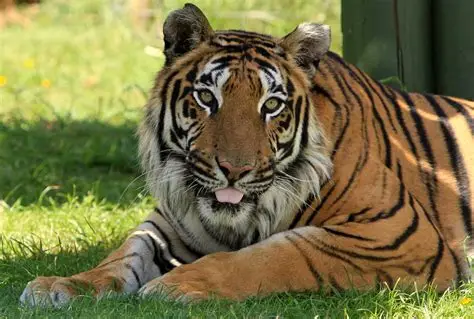
- Bengal tiger sightings in open grasslands and ruins
- Ranthambore Fort (UNESCO World Heritage Site)
- Safari zones with lakes, cliffs, and dense forest
- Best Time to Visit: October to June
- Experience: Jeep or canter safaris, photography tours, and heritage walks
2. Sariska Tiger Reserve – The Aravalli Wilderness
- Location: Alwar
- Highlights:
- Tigers, leopards, hyenas, and nilgai
- Kankwari Fort and Pandupol Temple inside the reserve
- Proximity to Delhi and Jaipur
- Best Time to Visit: October to March
- Experience: Safari drives, temple visits, and eco-lodges
3. Keoladeo National Park – Birdwatcher’s Paradise
- Location: Bharatpur
- Highlights:
- UNESCO World Heritage Site
- Over 370 bird species including Siberian cranes, painted storks, and pelicans
- Man-made wetland with cycling and walking trails
- Best Time to Visit: November to February (migratory season)
- Experience: Guided birding tours, cycle rickshaw safaris, and photography workshops
4. Desert National Park – The Thar’s Wild Side
- Location: Jaisalmer
- Highlights:
- Great Indian bustard, desert fox, chinkara, and monitor lizards
- Sand dunes, salt lake bottoms, and rocky outcrops
- Best Time to Visit: October to March
- Experience: Camel safaris, birdwatching, and desert ecology tours
5. Jawai Leopard Conservation Reserve – The Leopard’s Domain
- Location: Pali district
- Highlights:
- High density of leopards in granite hills
- Coexistence with Rabari shepherd communities
- Luxury tented camps and guided treks
- Best Time to Visit: October to April
- Experience: Leopard safaris, village walks, and stargazing
🐾 Other Notable Sanctuaries
- Mount Abu Wildlife Sanctuary: Sloth bears, langurs, and orchids in a hill forest setting
- Kumbhalgarh Wildlife Sanctuary: Wolves, leopards, and birds near the famous fort
- Tal Chhapar Sanctuary: Blackbuck haven in the Shekhawati region
- Gajner Wildlife Sanctuary: Near Bikaner, home to wild boar, nilgai, and migratory birds
🗓️ Suggested 7-Day Wildlife Itinerary
Day 1: Arrival in Jaipur → Drive to Ranthambore
- Evening safari and overnight stay
Day 2: Morning safari → Visit Ranthambore Fort
- Drive to Bharatpur in the afternoon
Day 3: Birding tour in Keoladeo National Park
- Cycle rickshaw safari and photography session
Day 4: Drive to Sariska → Evening safari
- Overnight in eco-lodge
Day 5: Morning safari → Drive to Jawai
- Sunset leopard safari
Day 6: Morning trek → Village walk
- Drive to Jodhpur or Udaipur
Day 7: Departure or optional visit to Kumbhalgarh Sanctuary
🏨 Accommodation Options
- Ranthambore: Oberoi Vanyavilas, Nahargarh, Tiger Den Resort
- Sariska: Sariska Palace, Vanaashrya Resort
- Bharatpur: Laxmi Vilas Palace, The Bagh
- Jawai: Jawai Leopard Camp, Castle Bera
- Desert National Park: Luxury desert camps and eco-resorts
💡 Travel Tips
- Book Safaris Early: Especially for Ranthambore and Jawai during peak season
- Carry Binoculars & Zoom Lens: Essential for birding and leopard spotting
- Dress Smart: Earth-toned clothing, sun protection, and sturdy shoes
- Respect Wildlife: No loud noises, littering, or feeding animals
- Stay Hydrated: Especially in desert zones
🎉 Best Time for Wildlife Tourism
- October to March: Ideal for all parks; pleasant weather and migratory birds
- April to June: Good for tiger sightings but very hot
- Monsoon (July–September): Most parks closed; breeding season
🌟 Final Thoughts
Wildlife tourism in Rajasthan is a journey into the untamed soul of India. It’s where tigers roam ancient ruins, leopards perch on granite hills, and flamingos dance in desert wetlands. Whether you’re chasing the thrill of a safari or the serenity of birdwatching, Rajasthan’s wild side promises unforgettable encounters.
With its blend of biodiversity, heritage, and hospitality, Rajasthan invites you to go beyond the palaces—and into the wild.
About the Author