



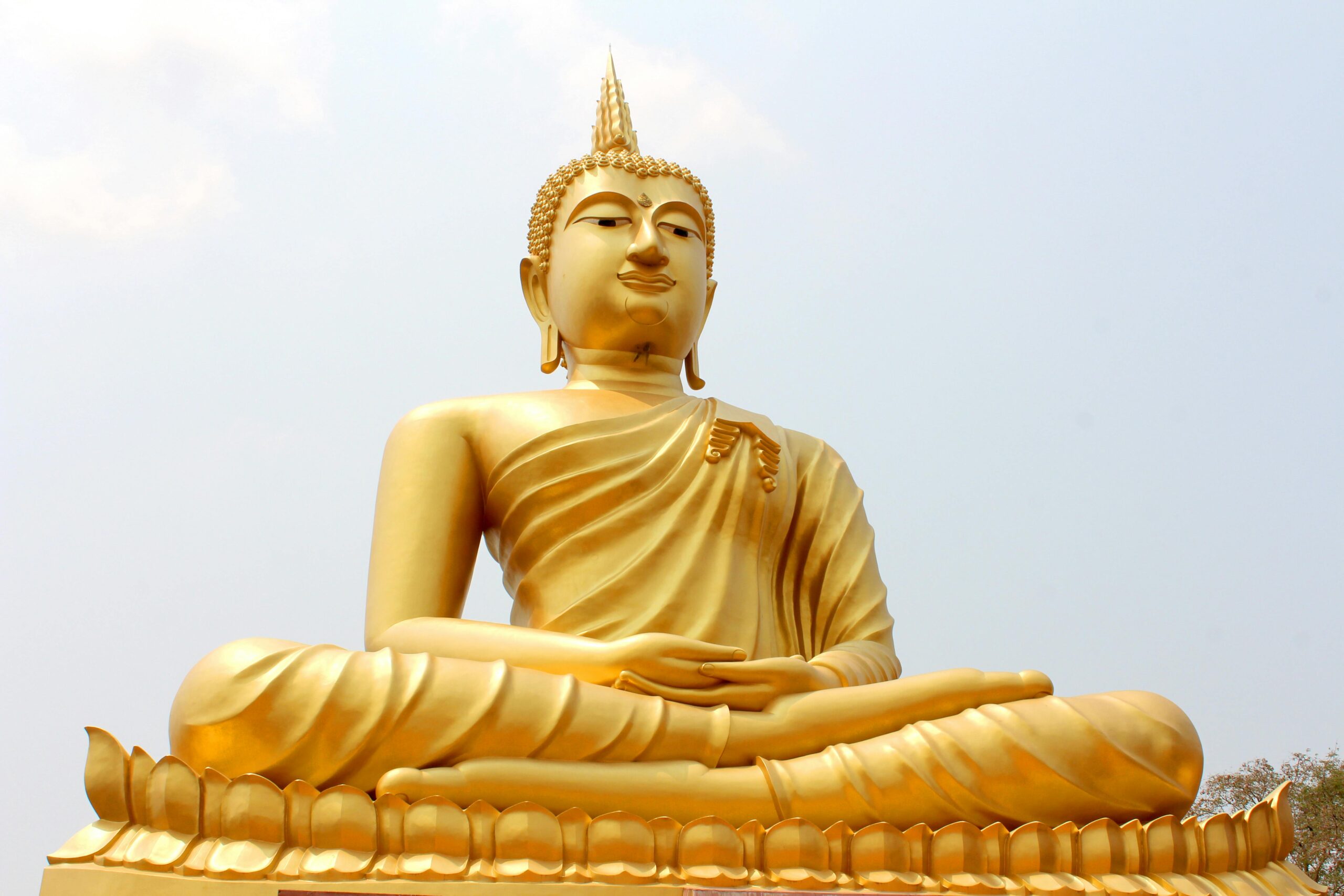
India, the birthplace of Buddhism, hosts a rich tapestry of festivals that honor the journey of Siddhartha Gautama—from his birth and enlightenment to his teachings and final nirvana. Buddhist Festivals in India are not just religious observances; they are immersive experiences that blend devotion, art, music, and community spirit. Celebrated in monasteries, pilgrimage towns, and cultural hubs, these festivals attract monks, pilgrims, scholars, and curious travelers from around the world.
🌕 Buddha Purnima (Vesak): The Triple-Blessed Day
Buddha Purnima, also known as Vesak or Buddha Jayanti, is the most significant Buddhist festival. It commemorates the birth, enlightenment, and death (Mahaparinirvana) of Gautama Buddha.
- When: Full moon day in April or May
- Where: Bodh Gaya, Sarnath, Kushinagar, and across India
- Highlights:
- Chanting of sutras and prayers
- Offerings of flowers, lamps, and incense
- Community feasts and almsgiving
- Peace marches and meditation sessions
Buddha Purnima is the spiritual centerpiece of Buddhist festivals in India, drawing thousands to sacred sites.
🏞️ Hemis Festival: Ladakh’s Vibrant Monastic Celebration
Held at the Hemis Monastery in Ladakh, this festival honors Guru Padmasambhava, the founder of Tibetan Buddhism in the region.
- When: June or July (10th day of the Tibetan lunar month)
- Where: Hemis Monastery, Ladakh
- Highlights:
- Cham dances (masked monastic performances)
- Colorful thangka displays
- Traditional music and rituals
- Local crafts and food stalls
The Hemis Festival is one of the most visually striking Buddhist festivals in India, blending spirituality with Himalayan culture.
🛕 Losar: Tibetan New Year and Renewal
Losar marks the Tibetan New Year and is celebrated with prayers, dances, and family gatherings.
- When: February or March (first day of the Tibetan lunar calendar)
- Where: Ladakh, Sikkim, Arunachal Pradesh, and Tibetan settlements in Himachal Pradesh and Karnataka
- Highlights:
- Cleaning homes and monasteries to remove negativity
- Offering rituals and butter lamps
- Traditional dances and music
- Exchange of blessings and gifts
Losar is a joyful Buddhist festival in India that emphasizes renewal, gratitude, and spiritual cleansing.
🧘♂️ Asalha Puja (Dhamma Day): The First Sermon
Asalha Puja, also known as Dhamma Day, commemorates Buddha’s first sermon at Sarnath, where he taught the Four Noble Truths and the Eightfold Path.
- When: Full moon day in July
- Where: Sarnath, Bodh Gaya, and other Buddhist centers
- Highlights:
- Recitation of the Dhammacakkappavattana Sutta
- Meditation and dhamma talks
- Offerings to monks and temples
This festival marks the beginning of the monastic sangha and is a key moment in Buddhist history.
🪔 Kathina Ceremony: Robe Offering and Gratitude
Kathina is a post-monsoon festival where laypeople offer robes and essentials to monks who have completed their three-month retreat (Vassa).
- When: October or November
- Where: Theravada Buddhist centers in India, especially in Maharashtra and Karnataka
- Highlights:
- Robe offering ceremonies
- Community prayers and merit-making
- Sharing of food and gifts
Kathina is a festival of generosity and gratitude, reinforcing the bond between lay followers and the monastic community.
🏯 Ullambana: Honoring Ancestors and Departed Souls
Ullambana, also known as the Ghost Festival, is rooted in Mahayana Buddhist traditions and focuses on relieving the suffering of ancestors and spirits.
- When: August or September (15th day of the seventh lunar month)
- Where: Buddhist temples in Maharashtra, West Bengal, and Tamil Nadu
- Highlights:
- Rituals to transfer merit to departed souls
- Offerings of food and prayers
- Cultural performances and storytelling
Ullambana is a compassionate Buddhist festival in India that blends spiritual practice with ancestral reverence.
🏞️ Drukpa Teshi: Celebrating the Four Noble Truths
Drukpa Teshi commemorates the day Buddha first taught the Four Noble Truths.
- When: August (fourth day of the sixth lunar month)
- Where: Sikkim, Ladakh, and Tibetan Buddhist communities
- Highlights:
- Dhamma teachings and sutra recitations
- Community prayers and meditation
- Cultural programs and youth engagement
This festival emphasizes the core teachings of Buddhism and is celebrated with quiet reflection and learning.
🏞️ Pavarana Day: End of Monastic Retreat
Pavarana Day marks the conclusion of the Vassa retreat, where monks reflect on their conduct and seek forgiveness.
- When: October (full moon day)
- Where: Theravada monasteries in India
- Highlights:
- Confession and reconciliation rituals
- Community offerings and merit-making
- Dhamma talks and meditation
Pavarana is a festival of humility and spiritual renewal.
🧭 Suggested Festival Circuit (10 Days)
Day 1–2: Bodh Gaya – Buddha Purnima celebrations
Day 3–4: Sarnath – Asalha Puja and Dhamma teachings
Day 5–6: Ladakh – Hemis Festival and monastery visits
Day 7–8: Sikkim – Losar and Drukpa Teshi rituals
Day 9–10: Maharashtra – Kathina and Ullambana ceremonies
This itinerary offers a rich experience of Buddhist Festivals in India, blending spiritual depth with cultural diversity.
💡 Travel Tips
- Best Time to Visit: October to March for pleasant weather; festival dates vary by lunar calendar.
- Etiquette: Dress modestly, maintain silence during rituals, and ask before photographing monks or ceremonies.
- Language: Hindi and English are widely spoken; Tibetan and regional languages in specific areas.
- Connectivity: Major Buddhist sites are accessible by road, rail, and air.
Buddhist Festivals in India are more than events—they are gateways to peace, wisdom, and community. Whether you’re meditating under the Bodhi Tree, watching masked dances in Ladakh, or offering robes to monks in Maharashtra, these festivals invite you to experience Buddhism not just as a philosophy, but as a living tradition.
About the Author